
Last updated August 25, 2026
Free in-home measure and quote - PGT, CGI and CWS impact lines compared on your actual openings, style by style
Sliding glass doors
Impact garage doorsPGTCGI
 Before
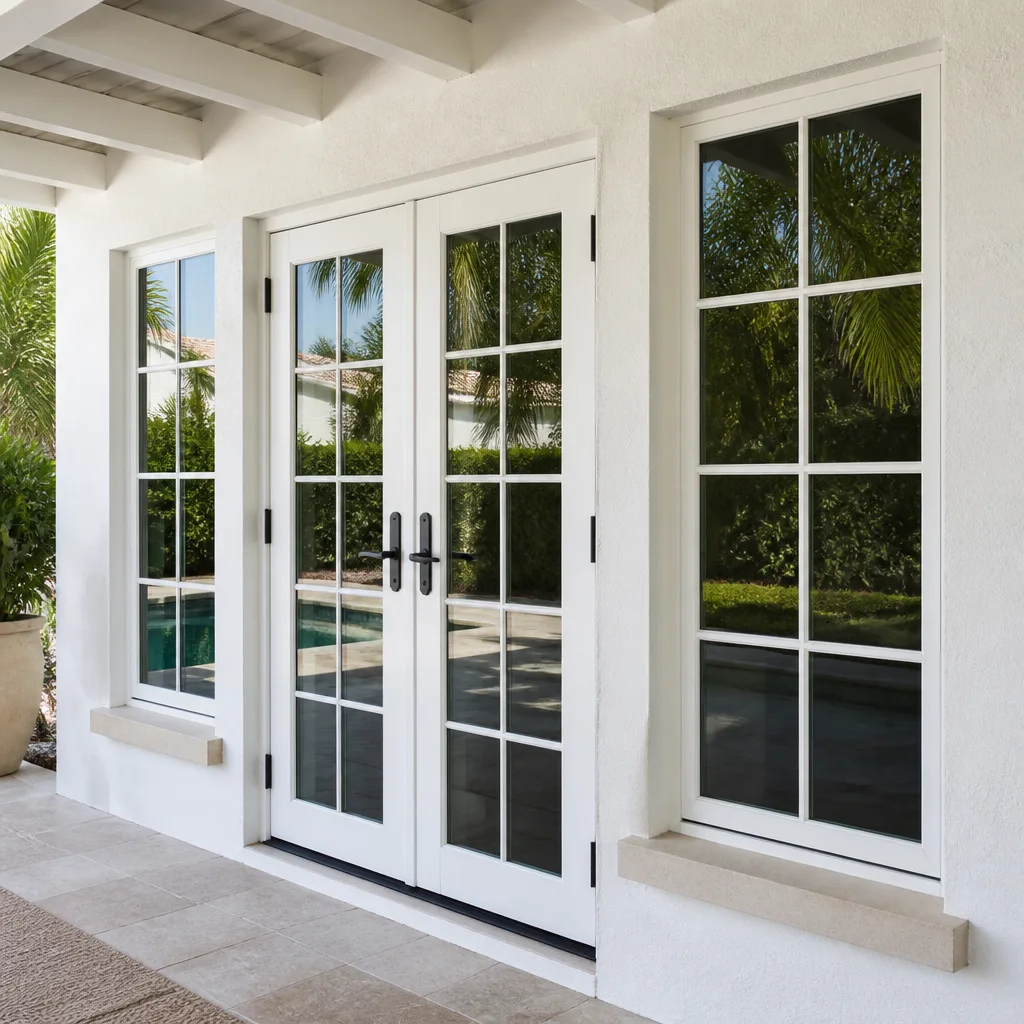 After
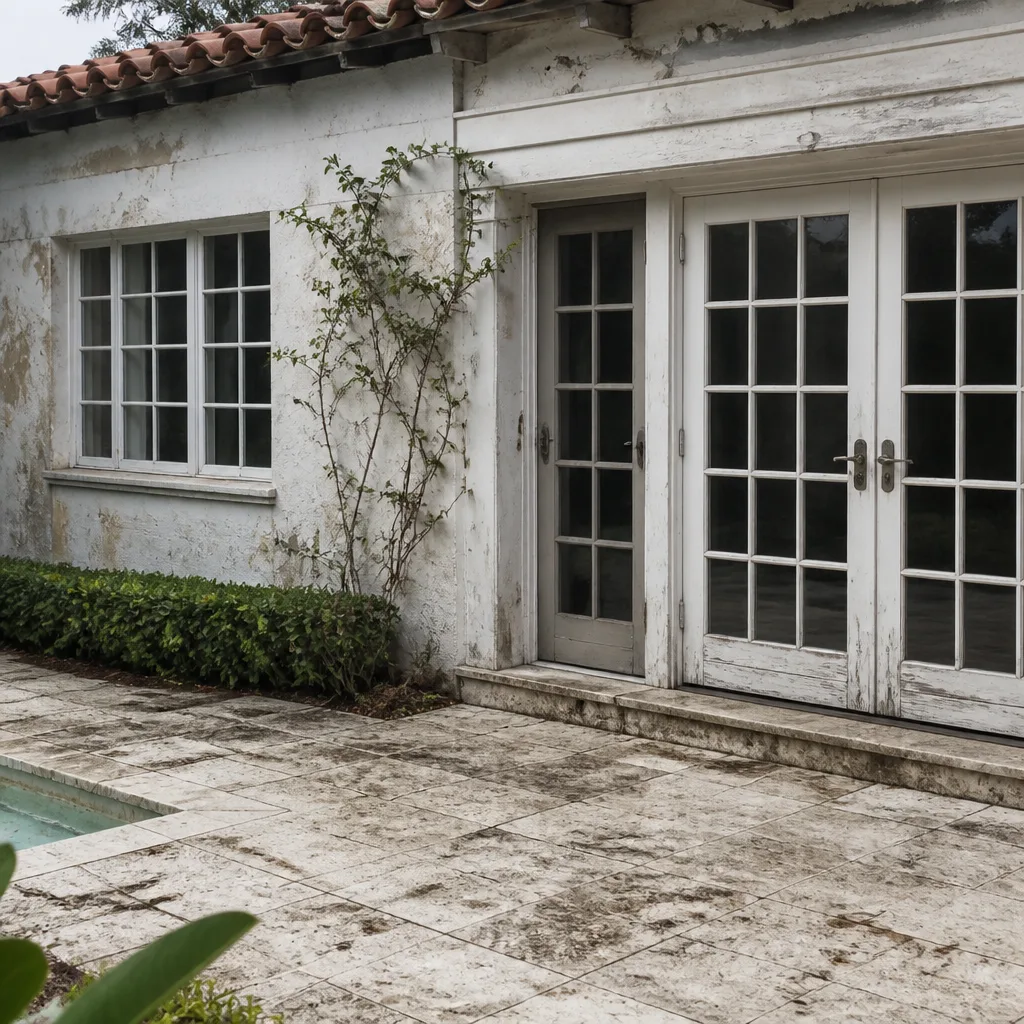 Before
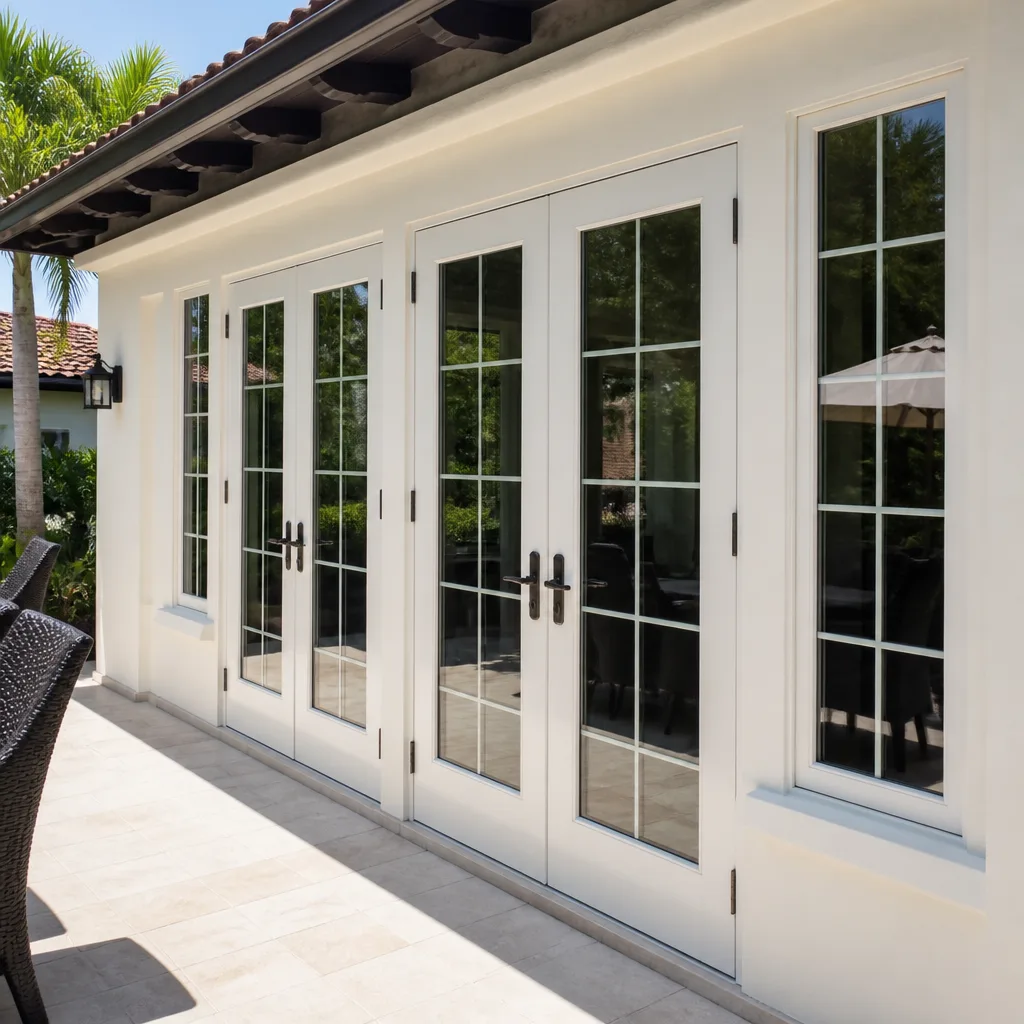 After
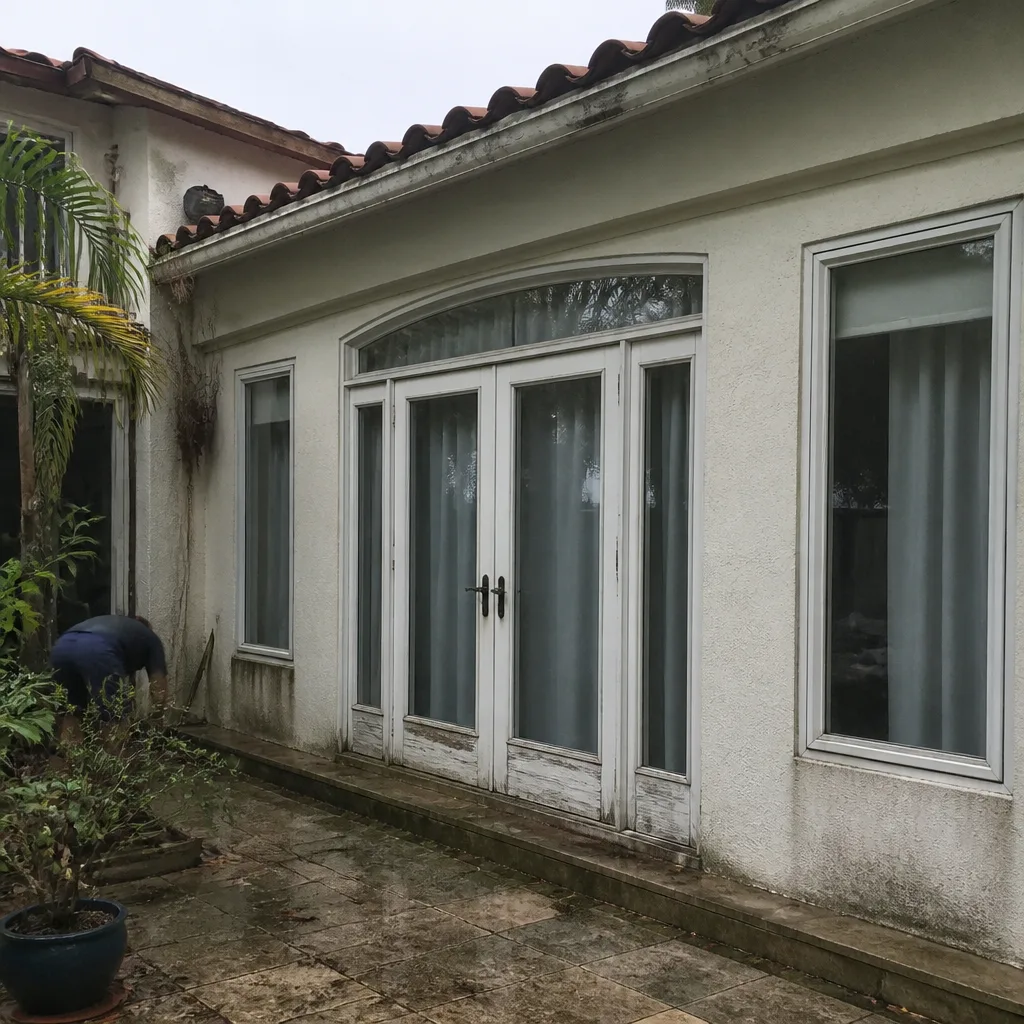 Before
 After
Windows & Doors Permits, Codes & Inspections in FL: What You Need to Know
Most homeowners in Florida don’t realize their window replacement can be legally non-compliant the day it’s installed, and they won’t find out until they try to sell the house or file an insurance claim. Florida’s building code is the strictest in the continental United States for wind resistance, and Palm Beach sits inside the High Velocity Hurricane Zone, which adds another layer of requirements on top of an already demanding state code. This guide walks through exactly what permits apply, which codes govern windows and doors, how inspections work, what it costs, and the traps that void warranties and delay closings. If you live in Palm Beach and are planning to replace a window, a sliding door, or an entry door, this is the map you need before the work starts.
Quick Answer
Window and door replacement in Florida requires a building permit, must meet Florida Building Code 7th Edition (2023) standards including High Velocity Hurricane Zone provisions for Palm Beach, and must pass a final inspection by a licensed local building official. Impact-rated products or approved shutters are mandatory for most residential openings in Palm Beach, and unpermitted or uninspected work can void your insurance policy and stall a real estate closing. Expect permit fees between $75 and $400 depending on the scope, with inspections typically included in the permit cost.
Table of Contents
- Florida Permit Requirements for Windows and Doors
- Florida Building Code: What Actually Applies
- Palm Beach and the High Velocity Hurricane Zone
- Impact Glass vs. Non-Impact: What the Code Says
- The Inspection Process, Step by Step
- What Permits Cost in Palm Beach and Who Pays
- Common Mistakes to Avoid
- When to Call a Professional
- Frequently Asked Questions
- The Bottom Line
Florida Permit Requirements for Windows and Doors
Any replacement of a window or exterior door in Florida where the rough opening is altered, the structural frame is touched, or the product is swapped for a different size requires a building permit. This is not a suggestion, and it is not something a contractor can waive. Florida Statute 553.79 makes it unlawful to construct, enlarge, alter, repair, or demolish any building without first obtaining a permit from the enforcing agency. A window replacement is classified as an alteration, and that classification holds even when the work is completed in a single afternoon.
There is one narrow exception. If you are replacing a window or door with a product of identical dimensions, and the opening does not require modification, some jurisdictions allow a “like-for-like” replacement without a permit. But “like-for-like” in Palm Beach still must meet current wind-load requirements, and the product you are installing, even if the same size, may not comply with today’s code. A 1985 aluminum single-pane window replaced with an identical-size 1985 aluminum single-pane window does not fly in 2026. The replacement product must meet current code even if the opening does not change.
What most homeowners miss is that the permit is not just paperwork. It is the process through which the local building department reviews the product approvals, confirms the installation method, and schedules the required inspection. In Palm Beach, that building department is the Palm Beach County Building Division or the municipal building department depending on whether you live in an incorporated city or unincorporated county. The permit is the trigger for the inspection, and the inspection is the proof that the work was done correctly. No permit, no inspection, no proof. That sequence matters more than most people understand.
When we pull permits in Palm Beach, we submit the product approval documents, the manufacturer’s installation instructions, the wind-load calculations, and the site-specific plans. The building official reviews this package before issuing the permit. This is not a rubber stamp. In our experience, incomplete product approvals are the single most common reason permits get held up, especially for door systems that combine multiple components: the slab, the frame, the hardware, the threshold, the weatherstripping.
Florida Building Code: What Actually Applies
The Florida Building Code (FBC) governs everything we install. The 7th Edition (2023) is the current version, with the 8th Edition scheduled to take effect December 31, 2026. The FBC incorporates the International Building Code and International Residential Code but famously modifies them for Florida’s wind, water, and heat. Two volumes apply to most window and door work: the FBC Building volume for commercial and certain multi-family structures, and the FBC Residential volume for one- and two-family dwellings and townhouses.
For windows and doors, the code is built around three core requirements: structural wind resistance, impact protection or impact resistance, and water infiltration resistance. The wind-load requirement is not a suggestion. Florida’s code requires that exterior windows and doors resist the design wind pressures established in the code, which for Palm Beach mean pressures well above what a midwestern code would ever contemplate. The specific numbers depend on the building height, the exposure category of the site, and the location of the opening on the structure. This is why you cannot just order a window off the shelf and call it good. The product must be approved for the specific pressures your house will face.
Water infiltration is the requirement most homeowners never think about, and it’s the one that creates rot, mold, and failure years later. A window that keeps out wind but leaks water is a code violation and a slow-motion structural problem. The installation method matters as much as the product. Flashing details, sealant joints, weep holes, and sill pans are all part of code compliance. When we see failed installations in Palm Beach, it’s rarely the product that failed. It’s the flashing. It’s the missing sill pan. It’s the installer who used caulk where flashing was required.
Here are the key code sections that apply to window and door work in residential construction:
- FBC Residential R612: Exterior windows and doors - establishes the requirements for performance testing, labeling, and installation.
- FBC Residential R609: Exterior windows and glass doors - sets the structural and impact requirements specific to openings.
- FBC Residential R703: Exterior walls - includes flashing, weather-resistant barriers, and water-resistive barrier requirements around openings.
- FBC Residential R308: Glazing - identifies where safety glass is required, including doors, sidelights, and windows near floors.
Tempered or safety glass is another code item that catches people off guard. Any glazing in a door, adjacent to a door, within 24 inches of a door, or within 18 inches of the floor in a hazard location must be safety glazing. This includes sidelights next to your entry door, a bathroom window near the floor, or any window within the swing radius of a door. Code enforcement on this point is consistent, and the inspection will flag it.
Palm Beach and the High Velocity Hurricane Zone
Palm Beach sits inside the High Velocity Hurricane Zone, which is a specific classification within the Florida Building Code that applies only to Miami-Dade and Broward counties and, for certain provisions, to Palm Beach County. The HVHZ is not a suggestion or a marketing label. It is a set of stricter requirements that apply to the design, testing, product approval, and installation of building components in this region. A window approved for Orlando may not be approvable in Palm Beach. The wind speeds are different. The missile impact test requirements are different. The water infiltration criteria are different.
The most important difference is the large-missile impact test. In the HVHZ, windows and doors must withstand the impact of a 9-pound 2×4 traveling at 34 miles per hour without penetrating the glazing. After the impact, the assembly must then withstand 9,000 positive and negative pressure cycles simulating hurricane-force wind gusts. This is not a test most windows pass. It is a test windows are designed for from the start. Products that meet this standard carry a Notice of Acceptance from Miami-Dade County, and that document is the golden ticket for inspection in Palm Beach.
Product approval in Florida works through a specific system. Manufacturers submit their products to approved testing laboratories, which issue test reports and evaluation reports. These reports become the basis for a Notice of Acceptance issued by the Miami-Dade Building Department, which regulates products for the HVHZ. When we install a window in Palm Beach, we submit this Notice of Acceptance with the permit application. The inspector verifies that the product installed matches the approved product. If the sticker on the window does not match the approval document, the installation fails inspection, and the remedy is removing the window and starting over. We do not let that happen, but we have been called to fix it after other contractors did.
In practical terms, if you live in Palm Beach and are replacing an exterior window or door, you are installing an impact-rated product or you are installing a non-impact product behind an approved shutter or opening protection system. No third option exists for most residential openings. The code allows for certain exceptions: some windows on upper floors of certain building types, certain openings in fully enclosed interior spaces, and others. But for a standard single-family home in Palm Beach, impact glazing or approved protection is the rule, not the exception.
The cost difference between impact and non-impact windows in Palm Beach typically ranges from 25% to 50% more for impact-rated products, depending on the manufacturer and the product line. That premium buys you more than code compliance. It buys you the ability to ride out a storm behind the glass without shutters, and it typically reduces your windstorm insurance premium. We have seen the insurance premium reduction pay for the product premium within five to seven years, but that math depends on your carrier and your policy.
Impact Glass vs. Non-Impact: What the Code Says
The Florida Building Code does not require you to buy impact glass. It requires you to protect your openings from wind-borne debris. Impact glass is one way to meet that requirement. Approved shutters, panels, or other opening protection systems are another. What you cannot do in Palm Beach is install standard clear glass in a new or replacement window on any opening that is not protected by another approved system, and then claim the house is code-compliant. The code is the code, and the inspection will cite it.
Impact-rated windows and doors are tested as complete assemblies. The glass, the frame, the hardware, and the anchoring system are all tested together. This is why you cannot take impact glass and install it in a non-impact frame and call it an impact window. The assembly is the product. The Notice of Acceptance covers the complete assembly, and the inspector checks the unit label against the approval. When we quote a PGT or ES Windows product for a Palm Beach home, we quote the complete approved assembly, not a collection of parts.
For homeowners who choose non-impact windows behind shutters, the shutters must be approved products, permanently installed or permanently stored on the property, and they must cover every opening that does not have impact glazing. The code also requires that the shutter system be deployable by the occupant, and that the hardware and anchorage meet the same wind-load standards as the opening protection. A pile of plywood sheets in the garage is not an approved opening protection system. The code is explicit on this point.
One nuance that surprises many Palm Beach homeowners: if you replace your windows with impact glass, you may be able to negotiate a lower windstorm insurance premium. If you replace your windows with non-impact glass behind approved shutters, you may or may not see a premium change. The insurance industry prices risk, and impact glass is viewed as a passive, always-on protection system. Shutters require action by the homeowner, and the industry prices that differently. This is not a code issue, but it is a cost issue worth understanding before you spend.
From our work in Palm Beach, the most common configuration we install is impact-rated glass in the front elevation, where curb appeal and light matter, and either impact-rated or shutter-protected non-impact products elsewhere, depending on the homeowner’s budget and insurance goals. Every house is different, and the right answer depends on your exposure, your elevation, and what your insurance carrier will actually credit. We walk through this with every customer before a quote is written, because the product decision affects the price, the permit, the inspection, and the insurance renewal.
The Inspection Process, Step by Step
After the permit is issued and the work is complete, the building department performs a final inspection. For window and door replacements, this is typically a single inspection, although some jobs involve multiple inspections if the scope includes structural work or the replacement of the entire building envelope. The inspector verifies that the installed products match the approved documents, that the anchoring and flashing are correct, and that the work is code-compliant. Here is the sequence as it actually runs in Palm Beach:
- Permit application submitted. We prepare and submit the permit package with product approvals, wind-load calculations, and installation details. The building department reviews it, typically within one to two weeks for a standard window package.
- Permit issued. The approved permit is posted at the job site. The work can now legally begin.
- Demolition and installation. The old windows and doors come out, and the new units go in per the approved plans and manufacturer instructions.
- Inspection scheduled. We schedule the final inspection with the building department. Palm Beach County typically inspects within one to three business days of the request, depending on demand and inspection route scheduling.
- Inspector verifies work. The inspector checks the product labels against the Notice of Acceptance, verifies anchoring and flashing, and confirms the installation matches the approved plans. If the work fails, a correction notice is issued and a re-inspection is scheduled.
- Final approval recorded. Once the inspection passes, the permit is closed. You now have a written record that the work was done to code.
We have seen inspections fail for the reasons you would expect: the wrong product installed, the product label missing, the flashing missing, the anchor count wrong. What surprises people is the frequency of these failures. The building enforcement in Palm Beach is not nominal. The inspectors work for the county, they know the code, and they read the product approvals line by line. If your contractor shrugs and says not to worry about the inspection, worry about the contractor.
The most important thing you can do as a homeowner is to verify that the permit gets closed. A permit that was pulled but never inspected is an open item on the property record. It will surface at closing. It will surface in an insurance review. It will need to be resolved, and resolving an open permit years after the fact is more expensive and more complicated than closing it at the time of the work. We close every permit on every job. It is part of the job, not an afterthought.
What Permits Cost in Palm Beach and Who Pays
Permit fees in Palm Beach County are typically based on the valuation of the work, and for a standard window or door replacement project, most homeowners can expect to pay between $75 and $400 for the permit itself. That range covers most single-family residential projects of reasonable scope, but larger projects, multi-story elevations, or extensive structural modifications can push the fee higher. The exact fee is calculated by the building department’s fee schedule, which is based on the declared job value and the number of openings.
Who pays the permit fee depends on your contract. Some contractors build the permit cost into the total job price. Others quote the work and add the permit as a separate line item. Either way, the cost should be visible. If a contractor quotes you a number and cannot tell you what the permit costs, that is a red flag. If a contractor suggests skipping the permit to save money, that is a bigger red flag. The savings are not worth the exposure.
In addition to the permit fee, there may be other costs: a plan review fee if the scope is large enough to require plan review, a re-inspection fee if the first inspection fails, and possibly a recording fee or a certificate fee in some jurisdictions. For most window and door replacements, these additional costs are minimal or nonexistent. The line items we typically see for a Palm Beach single-family window package are the permit fee itself and nothing else beyond the product and labor.
Our pricing model at TruePane Windows & Doors is straightforward. The estimate includes the permit fee as a line item. The permit is pulled before the work starts. The inspection is scheduled after the work is done. The permit is closed. There is no separate charge for warranty registration, no hidden administrative fee, and no change order for the permit at the end. A square deal means you know what you are paying and why.
For what it is worth, the cost of the permit is the cheapest insurance you will ever buy on a construction project. A closed permit and a passed inspection are the documents that protect you at the closing table, in an insurance dispute, and in the eventual sale of your home. We have never had a customer tell us they regretted pulling a permit. We have had several tell us they regretted the time they skipped one.
Common Mistakes to Avoid
- Skipping the permit because the contractor said it was not needed. The contractor is not the one who owns the house. You are. If the work is unpermitted, the liability is yours, and it will surface the next time you need to prove the house is compliant.
- Assuming “like-for-like” means “no code update required.” A replacement window of the same size must still meet current wind-load and impact standards. The old window almost never does.
- Buying windows online and hiring a handyman to install them. The product may not carry a Florida Notice of Acceptance, and without the approval document, the installation will not pass inspection in Palm Beach. The savings disappear the moment the window has to be pulled out and replaced.
- Ignoring the flashing details. Leaks do not usually come from the glass. They come from the transition between the window frame and the wall. Missing sill pans, missing flashing tape, and wrong sealant joints are the most common failure points we fix in existing homes.
- Choosing non-impact glass without an approved opening protection system. In the High Velocity Hurricane Zone, the code requires it. If you install non-impact windows and your shutters are not approved, the inspection fails, and the insurance company may deny a future claim.
- Letting the permit expire open. An open permit on your property record will stall a closing. If a contractor disappears before the final inspection, you are the one left to resolve it. Close the permit before you make the final payment.
- Not checking the product label against the approval. The inspector will. If the unit installed on your house does not match the Notice of Acceptance on file, the installation fails, and the correction is expensive. This is a five-minute verification that prevents a five-figure problem.
When to Call a Professional
If you are replacing a single window in a standard opening and you understand the product approval and permitting requirements, this is work a capable homeowner can manage, but it is not work most homeowners should attempt. The most common call we get is from a homeowner who started a job with a well-intentioned handyman and ended up with an open permit, a failed inspection, or a window that leaks. The second most common call is from a homeowner whose insurance company asked for proof of code compliance and the homeowner did not have it.
Call a professional when the scope involves multiple openings, when you are changing window sizes, when you are installing impact products, or when the work affects the structural integrity of the wall. Call a professional when you want the warranty registered in writing, not implied. TruePane Windows & Doors offers free estimates in Palm Beach - call (850) 801-5596 to schedule one. We pull the permit, we install to code, we pass the inspection, and we register both warranty layers before the truck leaves the driveway.
Frequently Asked Questions
Yes, a building permit is required for window and exterior door replacement in Florida when the opening is altered or the product is being upgraded to meet current code requirements. Most window replacements in Palm Beach require a permit, and the work must pass a final inspection before the permit can be closed. Call (850) 801-5596 and we will pull the permit and close it for you.
Most residential window and door replacement permits in Palm Beach County cost between $75 and $400, depending on the scope and valuation of the work. The fee is based on the county’s fee schedule, and larger projects can run higher. We include the permit fee as a line item in every estimate.
For most residential openings in the High Velocity Hurricane Zone, which includes Palm Beach, you must install either impact-rated windows and doors or non-impact products behind an approved opening protection system. The code requires one or the other. Impact windows are the simpler solution for most homeowners because the protection is always in place.
Unpermitted window replacement can void your insurance coverage, stall a future home sale, and trigger code enforcement action including fines. The work may also be ordered removed and redone to code. The cost of resolving unpermitted work is almost always higher than the cost of pulling the permit in the first place.
Florida law allows a homeowner to act as their own contractor on their own residence, but the work still requires a permit and an inspection. A handyman working for compensation on someone else’s home is not licensed to install windows and doors unless they hold a valid contractor’s license. Hiring unlicensed workers puts the liability for code compliance and workmanship on you.
The actual inspection usually takes 15 to 30 minutes on site, and Palm Beach County typically schedules the inspection within one to three business days after it is requested. The inspector verifies the product labels against the approved documents, checks the anchoring and flashing, and confirms the installation matches the approved plans. If the work fails, a re-inspection is scheduled after corrections are made.
The Bottom Line
The permit, the code, and the inspection are not bureaucracy standing between you and new windows. They are the system that ensures your windows will stay in the wall in a hurricane, keep water out in a coastal storm, and hold their value when you sell the house. In Palm Beach, the High Velocity Hurricane Zone adds standards that exist nowhere else on the East Coast, and meeting them requires product approvals, correct installation, and a closed permit. Do those things, and the windows will do their job for decades. Skip any of them, and the failure is not a question of if but when. If you are planning window or door work in Palm Beach, call (850) 801-5596 for a free estimate from TruePane Windows & Doors home. We will answer the phone, walk the job with you, and put the permit cost, the product approvals, and the warranty registration in writing before any work begins.
Written by Dale Kessler, Owner at TruePane Windows & Doors, serving Palm Beach since 2008.
Six Reasons Homeowners Choose TruePane Windows & Doors
Impact systems engineered to design pressures up to +/-100, matched to your wind zone - your openings hold when the storm arrives.
Low-E insulated impact glass from our manufacturer lines commonly cuts monthly cooling bills 20-30%.
Laminated impact glass shuts out up to 40% of outside noise - traffic, neighbors, weather.
Monitoring services run $30-90 a month. Laminated impact glass resists forced entry around the clock, with no subscription.
Florida homeowners average around 25% savings on the windstorm portion of their policy after protecting every opening - some homes qualify for more.
A full impact package upgrades curb appeal, buyer confidence and appraised value in one project.