
Last updated August 25, 2026
Free in-home measure and quote - PGT, CGI and CWS impact lines compared on your actual openings, style by style
Sliding glass doors
Impact garage doorsPGTCGI
 Before
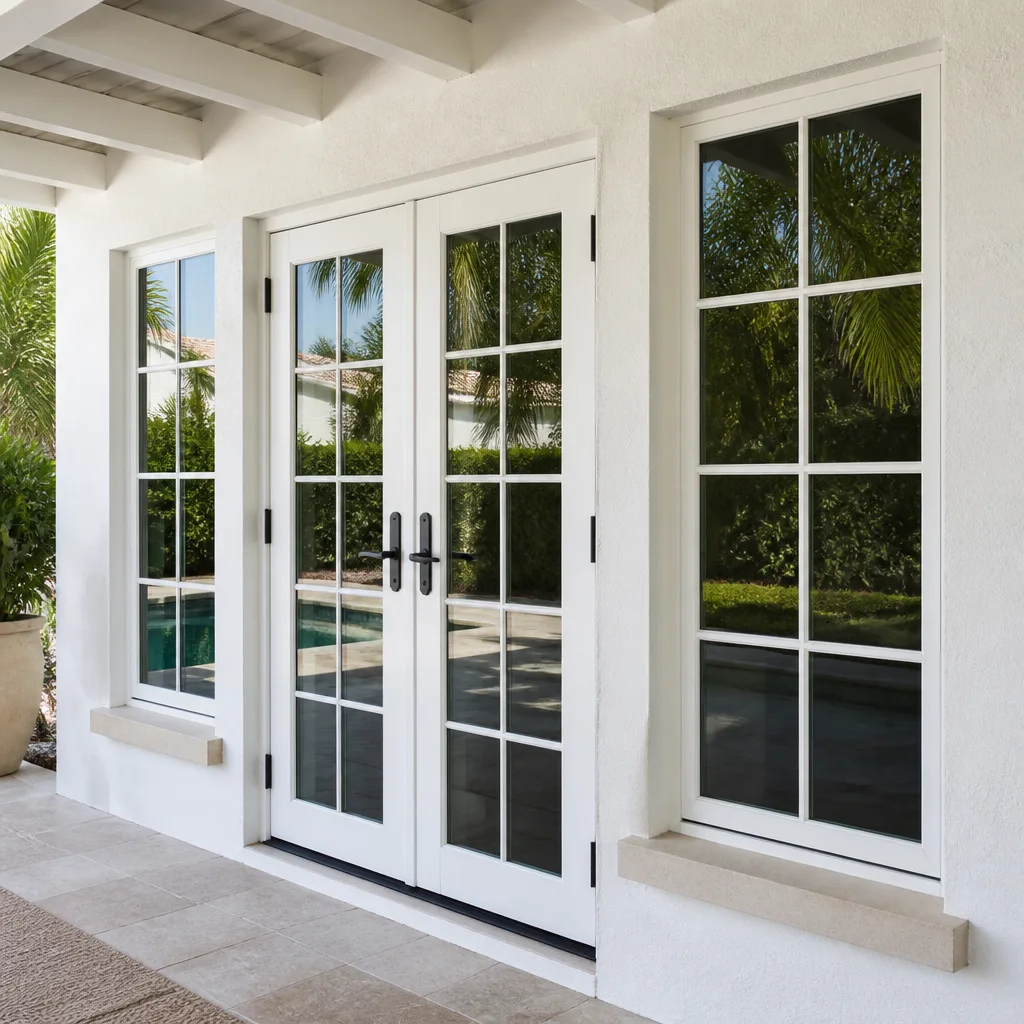 After
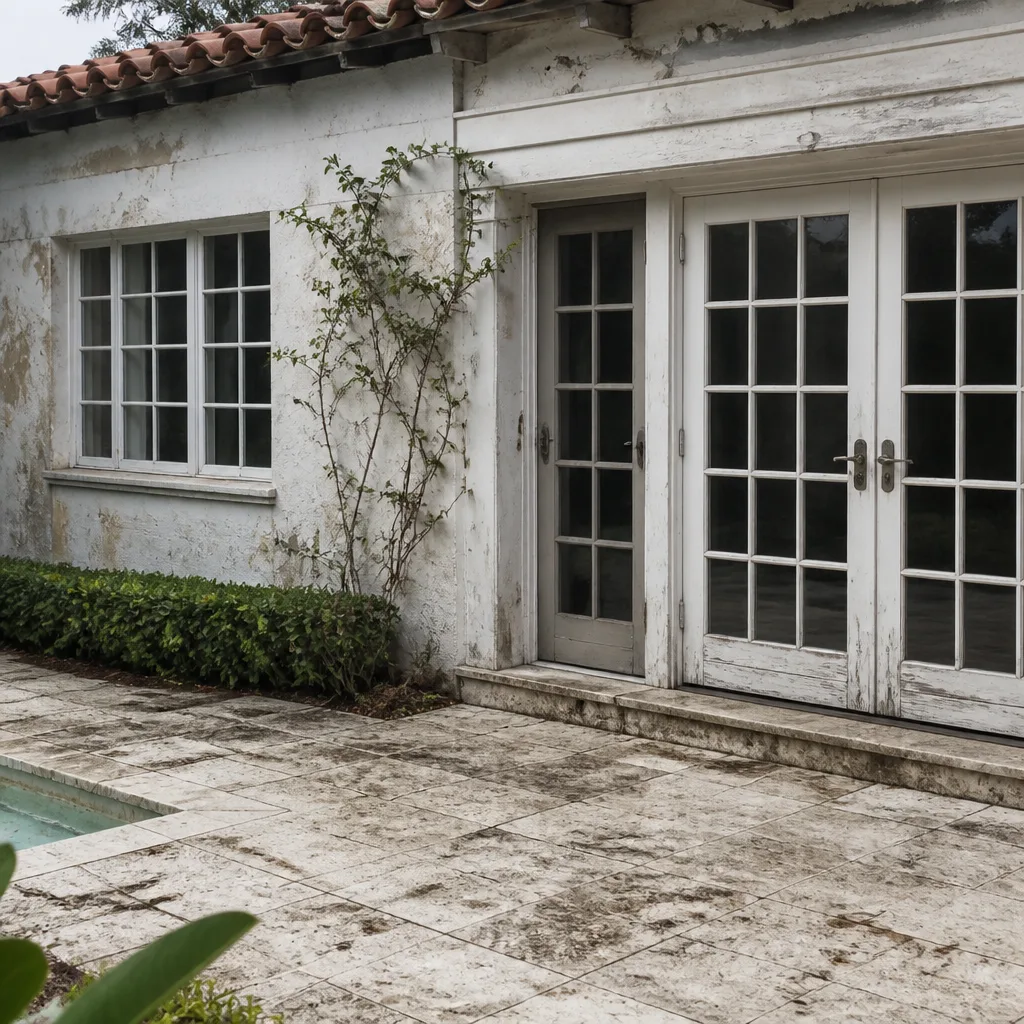 Before
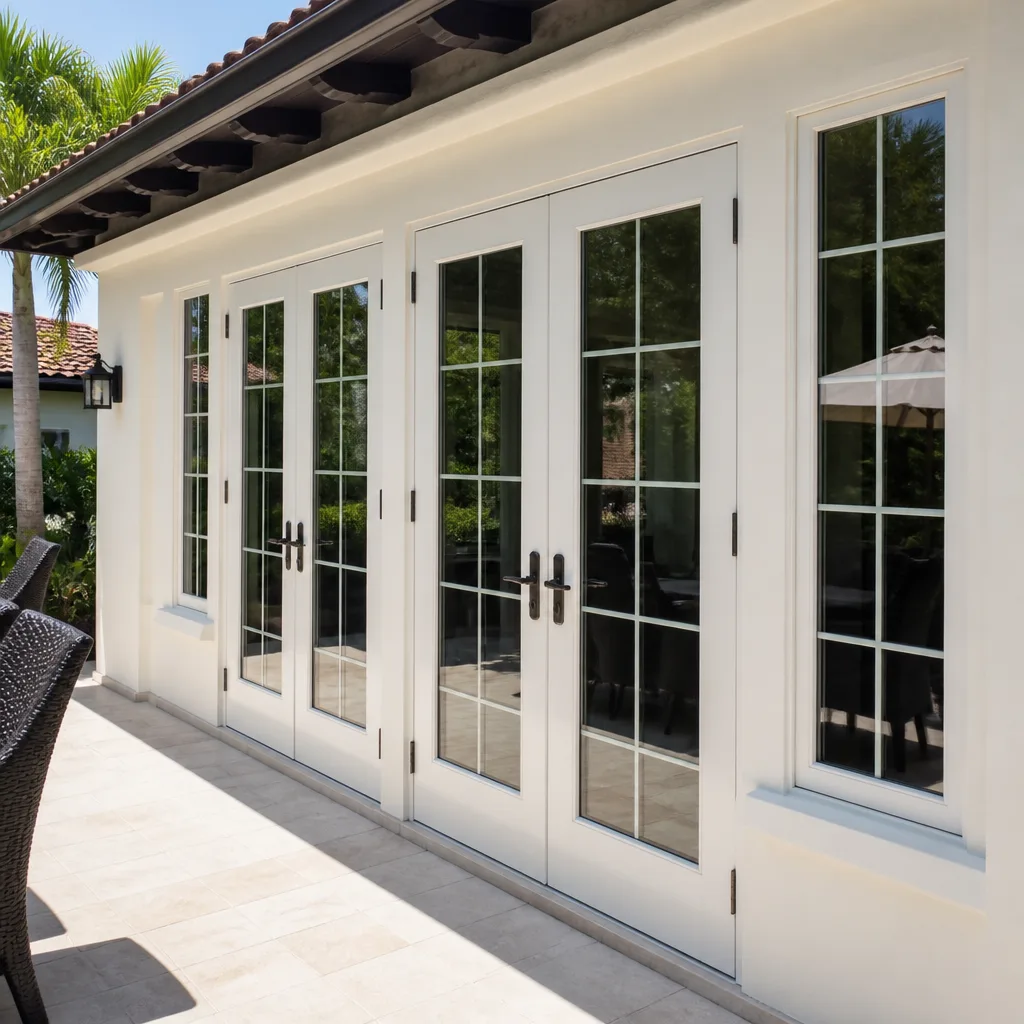 After
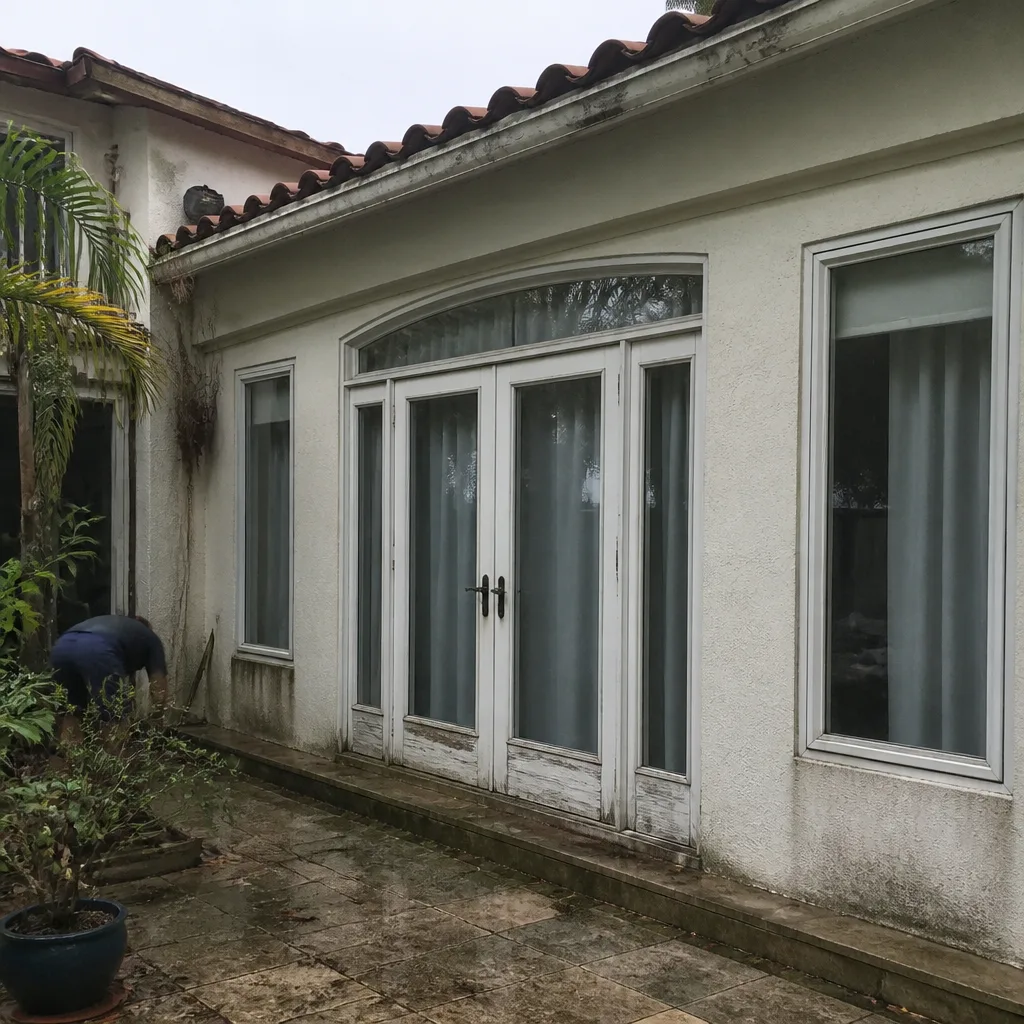 Before
 After
Window Installation Maintenance Checklist for Palm Beach Homeowners
Most window failures in Palm Beach don’t start with a crack in the glass. They start with a homeowner who never looked at the caulk line until water was already running down the inside of the drywall. A window installed correctly will last decades, but the salt air, the afternoon thunderstorms, and the relentless July humidity in this part of Florida will find every weak seam, every dried-out weather strip, and every weep hole packed with sand within five years. This guide is a working maintenance routine, written for the homeowner in Palm Beach who wants to know what to check, when to check it, and what to do when something doesn’t look right.
Quick Answer
A proper window installation maintenance routine for Palm Beach homeowners comes down to four seasonal checks: inspect exterior caulk and flashing for gaps, clean and clear weep holes and tracks, test the operation of every sash and lock, and re-secure or replace weather stripping where air or water moves through. Most of this takes under an hour twice a year. What ruins windows in Palm Beach is not age, it is deferred attention, and the single most important habit is walking the exterior of the house after the first big rain of the wet season and looking for water that hasn’t drained.
Table of Contents
- Why Palm Beach Windows Fail Faster Than the National Average
- The Seasonal Checklist: What to Do Every Six Months
- Caulk and Flashing: The First Line of Defense
- Weep Holes and Drainage: The Overlooked Part of Every Window
- Tracks, Hardware, and Operation: Keeping Windows Moving
- Impact Window Maintenance in Palm Beach: What Changes
- Signs the Installation Itself Is Failing
- Common Mistakes to Avoid
- When to Call a Professional
- Frequently Asked Questions
Why Palm Beach Windows Fail Faster Than the National Average
Palm Beach sits at the intersection of three forces that punish window assemblies: salt-laden ocean air, intense UV exposure, and a rainy season that delivers multiple inches of water in a single afternoon. A window that performs beautifully in Charlotte or Columbus will show wear here in half the time. The salt in the coastal air accelerates corrosion on aluminum tracks and hardware. The UV index in Palm Beach runs high or extreme for much of the year, which hardens and cracks vinyl weather stripping and degrades caulk. And the summer thunderstorms, often accompanied by driving wind, push water sideways into window frames in ways a gentle rain never will.
In our experience walking properties from El Cid to the Northwood Historic District, the pattern is consistent: homeowners who follow a simple twice-a-year routine get 20 to 30 years out of a quality installation. Homeowners who wait for a visible problem get fogged glass, rotted sills, and a repair bill that could have been avoided. The maintenance we describe below does not require special tools or a contractor. It requires a calendar reminder and a willingness to walk the perimeter of your own house with your eyes open.
The Seasonal Checklist: What to Do Every Six Months
The best schedule for Palm Beach homeowners is tied to the two defining events of the local weather year: the start of the wet season in late May and the end of hurricane season in late November. Do the full checklist at both points and you will catch nearly every issue while it is still cheap to fix.
Here is the working checklist we recommend to every homeowner in Palm Beach:
- Walk the exterior and look at every caulk line. Look for cracks, shrinkage, gaps where caulk has pulled away from the frame or the stucco, and any spot where you can see daylight through a joint.
- Clear every weep hole. Weep holes are the small drainage openings on the bottom exterior edge of many window frames. In Palm Beach, they fill with sand, dirt, and insect debris. A clogged weep hole traps water inside the frame, and trapped water in this climate is how frames rot and glass seals fail.
- Run every window through a full open-and-close cycle. A window that sticks, scrapes, or requires force in June will bind completely by August. Operation problems are always cheaper to address before the heat swells the frame.
- Test every lock and latch. Locks should engage without forcing. A lock that does not seat properly is both a security issue and a sign the sash has shifted out of true.
- Check weather stripping for compression and tears. Run your finger along every strip of weather stripping. It should be soft and should bounce back. Hard, cracked, or flattened stripping is doing nothing to keep air and water out.
- Inspect interior drywall and sill surfaces for staining or softness. Water that breaches the exterior of a window often shows up first as a subtle discoloration on the interior sill or the drywall below the window.
- Confirm drainage at the window base. After a heavy rain, walk the house and look for standing water against window bases. Landscape beds and mulch piled against the frame can hold water against wood and caulk, which is exactly what you do not want in Palm Beach.
Set the reminder. Doing this twice a year takes most homeowners under an hour, and it will prevent the vast majority of expensive window problems this climate can throw at a house.
Caulk and Flashing: The First Line of Defense
The seal that matters most on any window installation is not the glass. It is the joint where the window frame meets the wall. In Palm Beach, that joint is under constant assault from UV radiation and the expansion and contraction that comes with daily temperature swings and seasonal humidity shifts. Caulk dries, hardens, and eventually separates from one surface or the other. When it does, water gets behind the frame, and once water is behind the frame, it works its way down into the wall cavity where you cannot see it until the damage is advanced.
What to look for:
- Hairline cracks running along any caulk bead
- Caulk that has pulled away from the stucco, brick, or frame, leaving a thin gap
- Caulk that feels brittle or flakes when touched
- Gaps around the exterior perimeter of the frame that are wide enough to fit a fingernail
For most homeowners, the right answer is a high-quality exterior silicone or polyurethane caulk rated for Florida sun. Remove the old bead completely before applying fresh caulk. Caulking over old, cracked caulk simply moves the failure down the road by a season. Flashing, the metal or tape that directs water out and down, is a different matter. If you suspect flashing was never installed correctly, or if you see water stains on the interior despite clean caulk lines, the problem is behind the frame, and the fix belongs in the hands of a glazier who can pull the trim and inspect what the last installer actually did.
Weep Holes and Drainage: The Overlooked Part of Every Window
Every window frame designed for this climate includes a drainage system. The weep holes along the bottom exterior edge exist so that water that gets into the track can escape instead of pooling. In Palm Beach, those weep holes fill up fast. Blowing sand from the beach, dirt from landscapers, and the fine debris that comes off oak trees and palm fronds all find their way into the lower track of a window. When the weep holes clog, the track holds water. That water pushes up against the frame, eventually finds its way past the glazing gasket, and starts to break down the insulated glass seal. Fogged double-pane windows in Palm Beach are often not a manufacturer defect. They are a drainage problem.
The fix is simple. Twice a year, open the window and look at the bottom track. Use a vacuum with a narrow attachment to pull out loose debris. Then clear the weep holes themselves with a thin, flexible brush or a piece of stiff wire. Do not enlarge the holes. Do not drill new ones. Just keep the ones the manufacturer built clear. While the track is open, inspect the condition of the track itself. Aluminum tracks in coastal Palm Beach air show white, powdery corrosion over time. Light corrosion can be cleaned with a soft brush. Deep pitting means the track is losing structural integrity and may need professional attention.
If you live in a neighborhood like Southland Park or Sunshine Park where mature landscaping is common, pay particular attention to the lower tracks on the leeward side of the house. That is where wind carries the most debris against the glass.
Tracks, Hardware, and Operation: Keeping Windows Moving
A window that opens and closes easily is a window that seals properly when it is closed. A window that drags or hangs up is one that a homeowner leaves slightly open, and a slightly open window in a Palm Beach storm is a leak waiting to happen. Keeping the operating hardware clean and lubricated is the cheapest insurance any homeowner can buy.
Here is the routine, step by step:
- Open every window fully and vacuum the full length of the track, paying attention to the corners where debris accumulates.
- Wipe down the track with a damp cloth to remove the fine grit that vacuuming leaves behind. Dry it completely.
- Inspect the rollers (on sliding windows and doors) or the pivot shoes and balance springs (on single-hung and double-hung windows). Look for rust, wear, cracking, or visible misalignment.
- Apply a dry silicone spray lubricant to the track. Do not use WD-40 or oil-based lubricants in Palm Beach. They attract dust, and within a month you will have a gritty paste that accelerates wear.
- Operate the window five or six times to distribute the lubricant, then check the lock alignment.
- If a lock does not engage smoothly, do not force it. Forcing a misaligned lock bends the hardware and makes the repair harder. The sash is likely out of true, and that is a professional adjustment, not a homeowner fix.
Once a year, check the screws on every handle, crank, and lock. Salt air works on fasteners over time, and hardware that feels loose in the hand is often just a screw that has backed out a turn or two. Tighten gently. Over-tightening a screw into a window frame strips the hole and turns a one-minute fix into a repair call.
Impact Window Maintenance in Palm Beach: What Changes
Impact windows and doors are a different animal. The laminated glass and the heavier frames are built to take a hit and hold together, and the maintenance routine should reflect that. The glass itself needs nothing beyond normal cleaning, but the structural sealants and the anchoring system need a close look twice a year.
Impact windows in Palm Beach are typically anchored into the rough opening with heavy-duty fasteners and sealed with structural adhesive. The fasteners are hidden, but the sealant lines are not. Walk the perimeter of every impact window and door and look for any break in the sealant bead, any gap between the frame and the wall, and any sign that the frame has shifted. A quarter-inch shift in an impact window frame can compromise the entire opening’s rating. If you see a gap that was not there at installation, or if the window or door suddenly feels different when it closes, have it looked at. Do not wait until June, when a named storm is in the Atlantic and every glazier in the county is booked solid.
We install and service impact windows and doors across Palm Beach, and we tell every customer the same thing: the time to have an impact opening inspected is in January or February, when the schedule is calm and the work can be done properly. By May, the phone is ringing off the hook and every legitimate contractor is running a wait list. The homeowners who get their inspections done early are the ones who sleep well when the first hurricane watch comes through.
Signs the Installation Itself Is Failing
Maintenance will not fix a window that was installed wrong in the first place. The job of the homeowner maintenance routine is to catch the signs of a failed installation early, when the damage is still contained to the window opening and has not spread into the wall, the floor, or the framing. Here are the indicators we look for, and the ones you should know.
Condensation between the panes of a double-pane or triple-pane window means the insulated glass seal has failed. No amount of cleaning fixes it. The glass unit must be replaced. The seal did not necessarily fail because of the installation, but the installation quality determines whether it happens at year five or year twenty-five. A window that was set in an out-of-true frame or a rough opening that was not properly flashed will put stress on the glass unit from day one. That stress is what kills seals early.
Air movement around a closed and locked window is a red flag. In a Palm Beach summer, you should be able to stand next to any closed window in the house and feel absolutely nothing moving. If you feel air against a locked window, the weather stripping is not compressing properly, the sash has warped, or the frame was installed out of plane. Each of those has a different fix and a different cost, and the diagnosis matters.
Water stains on the interior drywall below or beside a window that persist through dry weather indicate water is trapped inside the wall cavity. A one-time stain after a hurricane with sideways rain may just be a splash from an open window during the storm. A stain that grows, darkens, or reappears is structural. In Palm Beach, where humidity keeps wall cavities damp longer than almost anywhere else in the state, trapped water feeds mold fast. Do not wait on this one.
Finally, watch how the window sits in the frame. A properly installed window maintains a consistent gap between the sash and the frame on all four sides. If the gap at the top is twice the gap at the bottom, the frame has settled or shifted. In older Palm Beach homes, especially those built on fill or in areas like the South End where shifting soils are common, this can happen slowly over a decade. A window that is visibly out of square is working against itself every time you close it, and that is the kind of stress no amount of track lubrication can overcome. What that window needs is a professional to reset it or, in some cases, retrue the entire opening before a new unit goes in.
In our years serving Palm Beach homeowners, we have pulled trim off more than a few windows and found what can only be described as install carnage: fasteners that missed the framing entirely, gaps stuffed with newspaper and caulked over, flashing installed upside down. If there is one thing that can defeat even a meticulous maintenance routine, it is a window that was never set right on day one. We founded TruePane Windows & Doors home on that exact observation. Our name comes from the rule Dale Kessler keeps on the whiteboard: if the pane is not true, the job is not done. That standard applies to every window we set, and it is the standard a homeowner should hold every other contractor to.
Common Mistakes to Avoid
Almost every expensive window repair we have ever walked into in Palm Beach started with a small, avoidable mistake made months or years earlier. Here are the ones we see most often.
- Using oil-based lubricants on window tracks. In a hot, humid climate, oil attracts grit and turns into a grinding paste that scores tracks and ruins rollers in a single season. Use dry silicone only.
- Caulking over old caulk. New caulk needs clean, bare surfaces to bond. Layering a fresh bead over dried-out, cracked caulk is like putting new paint on flaking old paint. It looks fine for a month, then it fails everywhere.
- Ignoring weep holes because you don’t know what they are for. Every manufacturer puts drainage holes in the bottom track for a reason. When they clog in Palm Beach, the window frame becomes a standing pool, and glass seal failure follows within a few wet seasons.
- Forcing a window that sticks. A window that suddenly binds is telling you something has moved. Forcing it open or closed bends hardware, tears weather stripping, and can crack the glass unit. Stop, inspect, and call a professional if the cause is not obvious.
- Waiting until hurricane season to check impact windows. Once a storm is in the Atlantic, every glazier in Palm Beach is booked for weeks. The time to inspect, maintain, or repair impact-rated openings is in the winter and early spring, when there is no schedule pressure and the work gets done right.
- Cleaning glass with abrasive pads or ammonia glass cleaners. Abrasives scratch low-E coatings, and ammonia breaks down the edge seal on insulated glass over time. Use a mild soap and water solution with a soft cloth, and dry the edge of the glass where it meets the frame.
- Piling mulch or landscape material against window frames. Every landscaped bed in Palm Beach that touches a window frame holds water against the caulk and the frame bottom. Pull the mulch back four to six inches from any frame and keep it there.
When to Call a Professional
A homeowner can handle track maintenance, weep hole clearing, caulk replacement on accessible surfaces, and hardware tightening. Some things belong in the hands of a glazier who works on windows every day. Call a professional when you see fogged or cloudy glass, which means the seal has failed and the unit must be replaced. Call a professional when a window suddenly will not close or lock, when there is visible frame shifting, or when you see interior water stains that keep returning. Call a professional when the caulk is fine but water is still getting in somewhere, because that means the flashing or the rough opening is involved. Call a professional if your impact windows or doors show any gap or silence in the frame that was not there at installation, because the rating on those openings is what stands between your home and the next storm. TruePane Windows & Doors offers free estimates in Palm Beach. Call (850) 801-5596 and a live person will answer every time, day or night.
Frequently Asked Questions
Twice a year is the right schedule for Palm Beach: once at the start of the wet season in late May and once after hurricane season ends in late November. The moisture, salt, and UV exposure in this climate make annual checks insufficient. A twice-yearly routine catches caulk failures, clogged weep holes, and hardware wear while they are still small, inexpensive fixes. Call (850) 801-5596 if an inspection turns up something you are not sure about.
Clogged weep holes are the leading cause of fogged double-pane windows in Palm Beach. When the drainage holes in the bottom track fill with sand, debris, or insect nests, water pools in the frame and eventually degrades the insulated glass seal. The seal then fails, and the fog you see between the panes is trapped moisture. Clearing weep holes twice a year is the single most effective preventive step, and the estimate to replace a failed unit is always free at (850) 801-5596.
Impact windows need the same track, weep hole, and hardware maintenance as any other window, plus close attention to the structural sealant lines. The laminated glass sits in a heavier frame that is anchored and sealed differently than a standard window. Homeowners should inspect the sealant perimeter twice a year for gaps, cracks, or any sign of frame movement. Any gap means the storm rating is compromised until a professional confirms otherwise.
Vacuum the track first to remove loose sand and debris, then wipe the remaining fine grit with a damp cloth and dry the track completely before applying a dry silicone lubricant. Do not use water to flush the track, because standing water in a Palm Beach window track is exactly what you are trying to avoid. If the track is heavily corroded or the sand has scored the metal, have a professional look at it.
A window that will not lock is almost always a window whose sash has shifted out of alignment or whose frame has moved. Do not force the lock, because bent lock hardware makes the eventual repair more complicated. Check the track for debris first, and if the track is clean, call a glazier. A properly installed and maintained window locks with one-finger effort in any season.
Window repair costs in Palm Beach vary widely depending on the problem: a simple track cleaning or hardware adjustment might run $89 to $150, weather stripping replacement $75 to $200 per window, and a full insulated glass replacement $300 to $900 per unit depending on size and glass type. The best way to get a firm number on a specific window is to have a technician put eyes on it. TruePane Windows & Doors offers free estimates with line-item pricing in writing. Call (850) 801-5596 to schedule one.
The Bottom Line
Windows in Palm Beach fail on a schedule, not by accident. The homeowners who avoid expensive repairs are the ones who walk the house twice a year with a simple checklist and act on what they find. Clear the weep holes. Watch the caulk. Keep the tracks clean and dry. Test every lock and latch in the spring and again in the fall. When something shifts, binds, fogs, or leaks, address it in the dry season when contractors have time to do the work properly. The maintenance routine in this guide costs almost nothing and takes under two hours a year. What it prevents is the kind of five-figure damage that starts behind a frame and stays hidden until it isn’t. If you find something you don’t like, call (850) 801-5596. A live person will answer, and we’ll tell you straight whether it is a DIY fix, a repair, or a replacement worth planning for.
Written by Dale Kessler, Owner at TruePane Windows & Doors, serving Palm Beach since 2008.
Six Reasons Homeowners Choose TruePane Windows & Doors
Impact systems engineered to design pressures up to +/-100, matched to your wind zone - your openings hold when the storm arrives.
Low-E insulated impact glass from our manufacturer lines commonly cuts monthly cooling bills 20-30%.
Laminated impact glass shuts out up to 40% of outside noise - traffic, neighbors, weather.
Monitoring services run $30-90 a month. Laminated impact glass resists forced entry around the clock, with no subscription.
Florida homeowners average around 25% savings on the windstorm portion of their policy after protecting every opening - some homes qualify for more.
A full impact package upgrades curb appeal, buyer confidence and appraised value in one project.