
Last updated August 27, 2026
Free in-home measure and quote - PGT, CGI and CWS impact lines compared on your actual openings, style by style
Sliding glass doors
Impact garage doorsPGTCGI
 Before
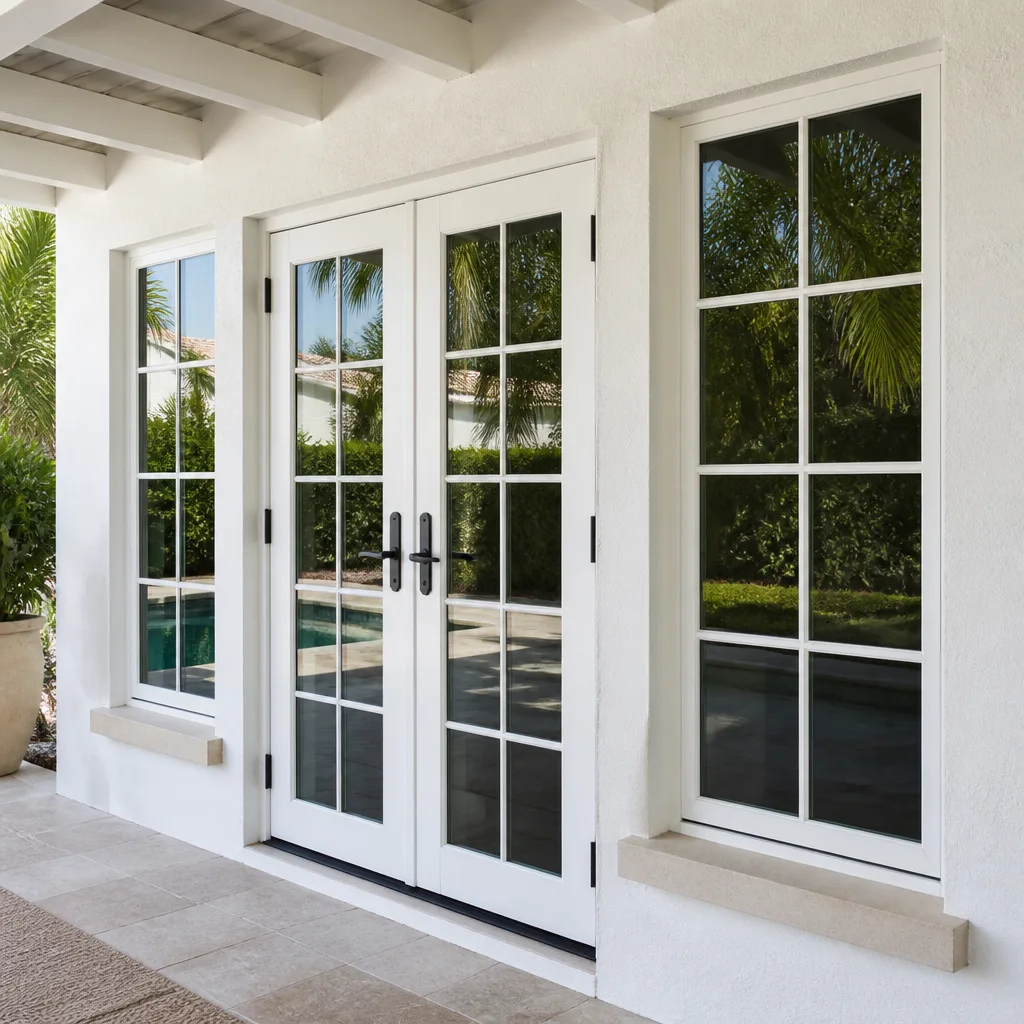 After
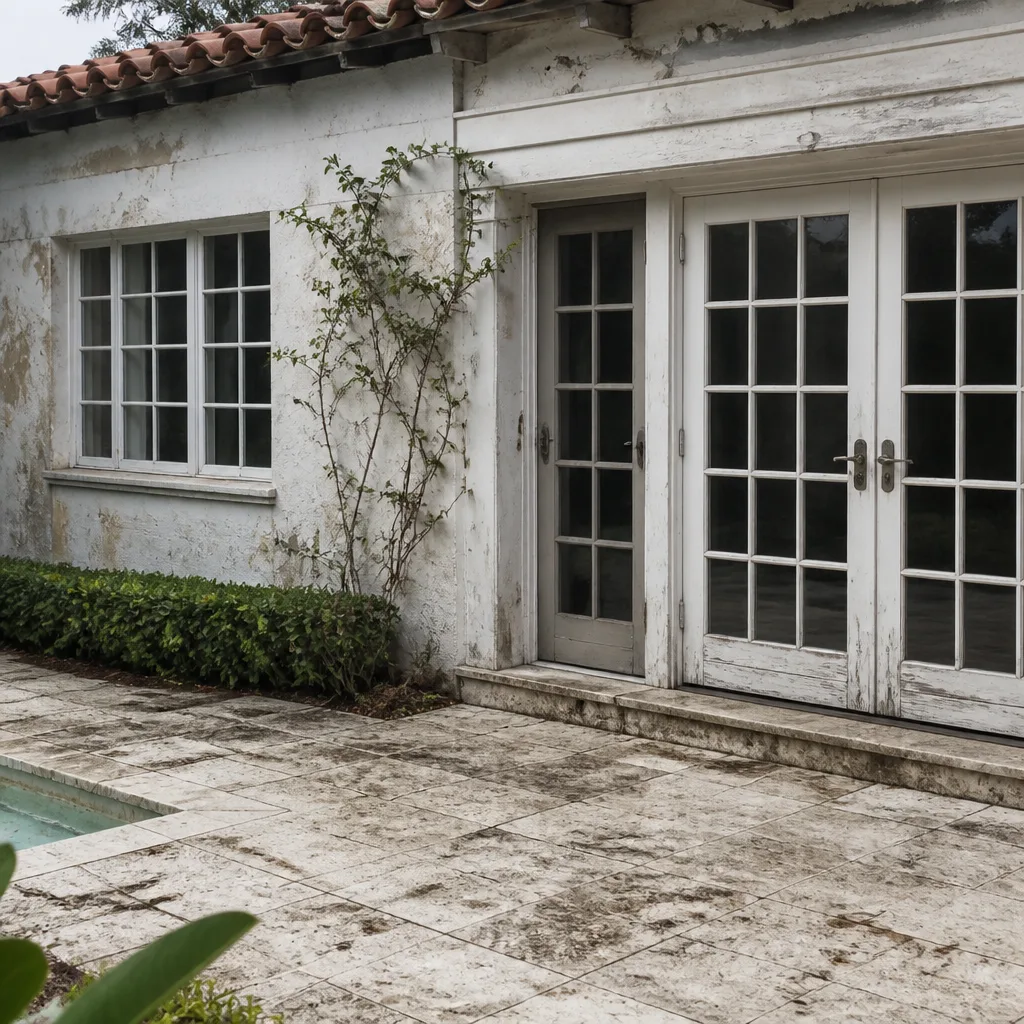 Before
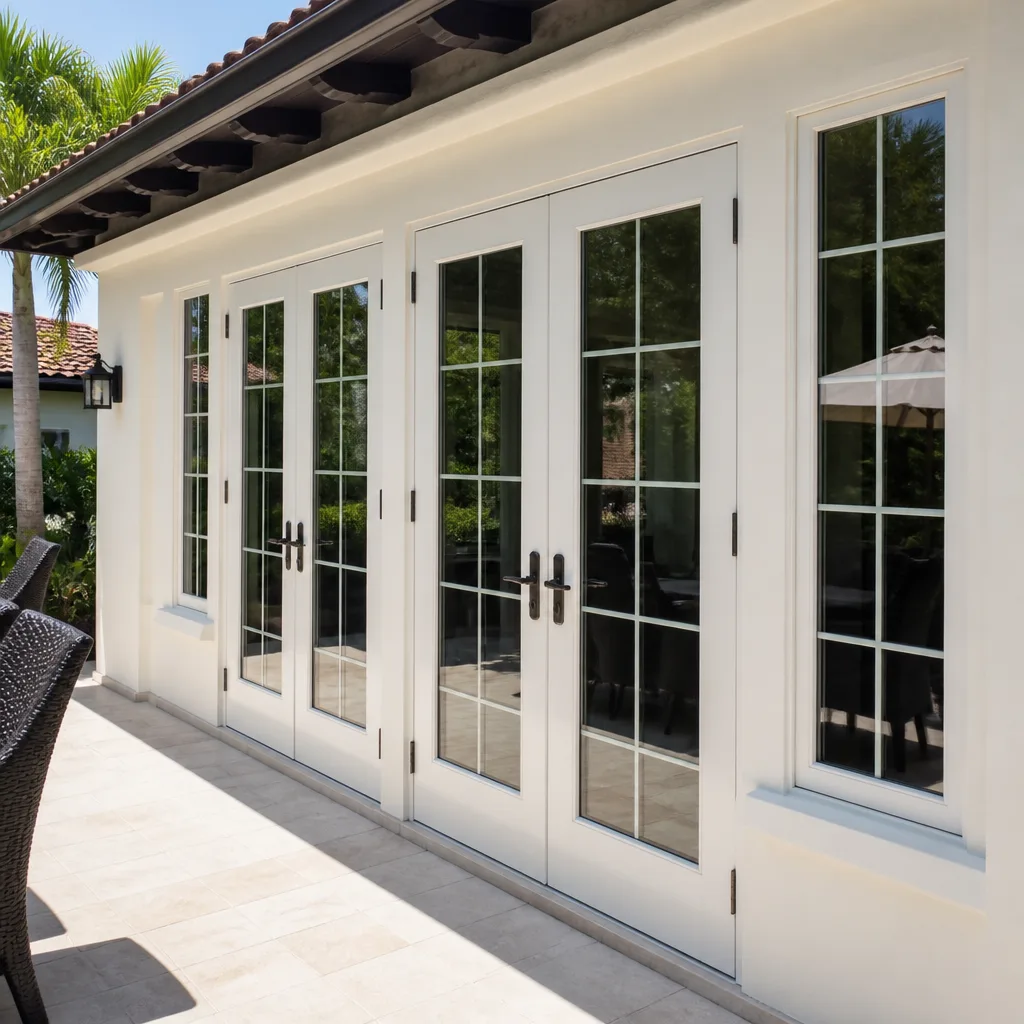 After
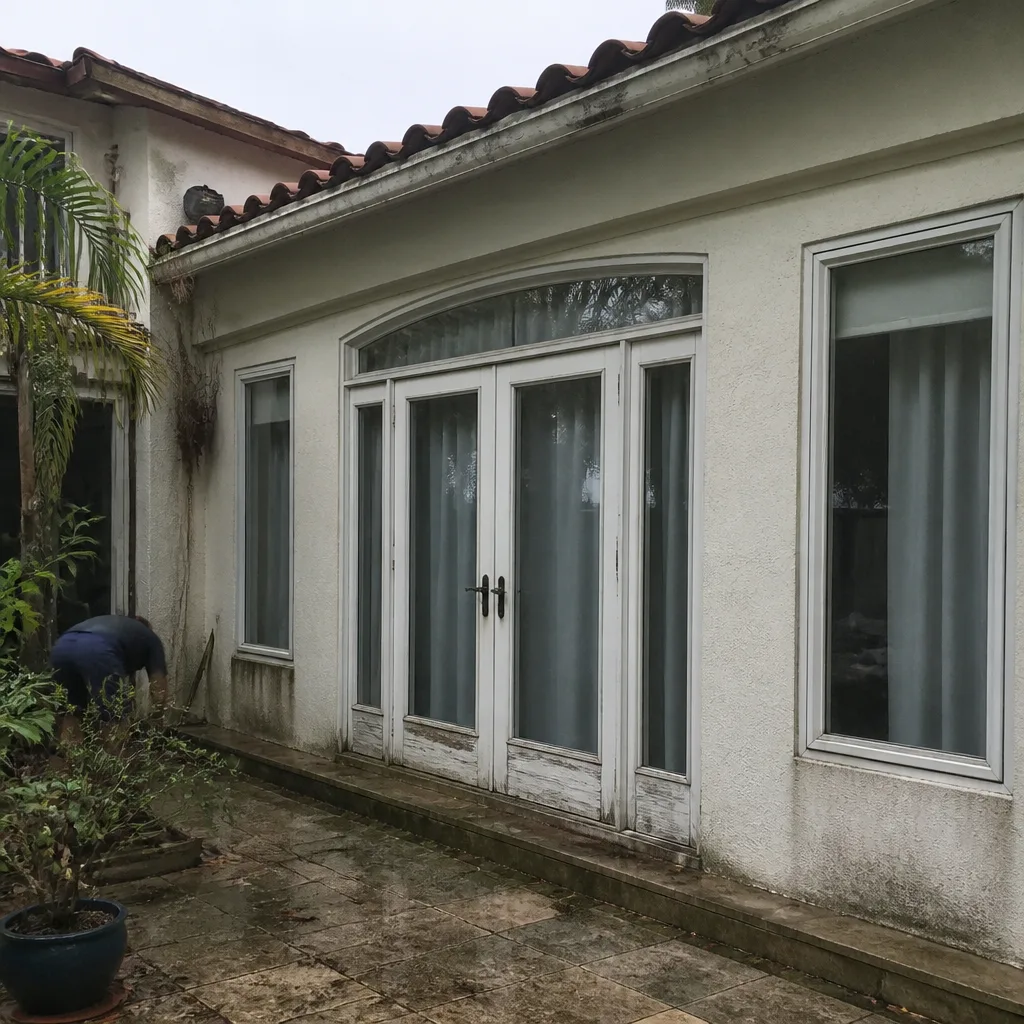 Before
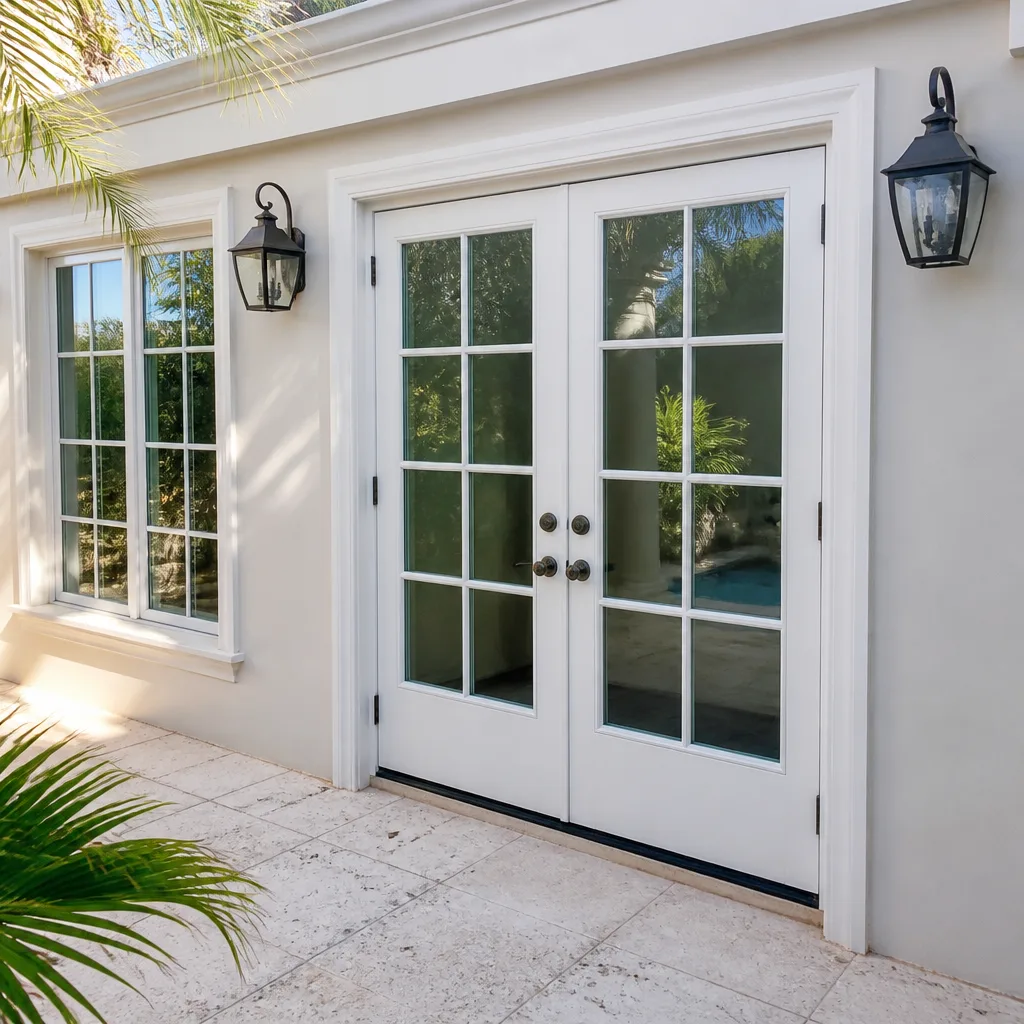 After
How to Hire a Windows & Doors Contractor in Palm Beach: A Step-by-Step Guide
Most homeowners in Palm Beach will replace their windows and doors exactly once in the time they own the house. That single decision determines whether the house feels tight and quiet for the next twenty years, or whether the salt air starts working on the frames before the first hurricane season is over. Coastal Florida punishes cheap installations faster than almost any other market in the country. This guide walks you through the entire hiring process, from the first phone call to the final walkthrough, so you hire a contractor who treats your house the way you do. We’ve spent years watching what happens when Palm Beach homeowners get this decision right, and what it costs them when they don’t.
Quick Answer
To hire a windows and doors contractor in Palm Beach, verify their Florida state license and insurance first, then get at least three written quotes that specify manufacturer, model, glass package, and installation method line by line. Ask for proof of manufacturer authorization, confirm both warranty layers get registered in writing, and never pay more than a small deposit before work begins. The contractor you want will answer the phone when you call, show up when they say, and put the entire job in writing before asking for a signature.
Table of Contents
- Understand What Palm Beach Weather Demands From Your Windows and Doors
- Verify License, Insurance, and Local Standing Before You Talk Price
- Get the Right Kind of Quotes: Line Items, Not Lump Sums
- Check Manufacturer Authorization and Warranty Registration
- Ask About Installation Practices Before the Truck Arrives
- Review the Contract the Way a Palm Beach Summer Reviews a Caulk Line
- Understand Timing, Permits, and What Palm Beach County Requires
- Prepare for Installation Day and the Final Walkthrough
Understand What Palm Beach Weather Demands From Your Windows and Doors
Palm Beach sits in a High Velocity Hurricane Zone. That is not a marketing phrase. It is a building code designation that dictates minimum design pressures for every window and door opening in your house, and it is enforced through permit inspections. If a contractor tries to sell you windows that have not been tested and approved for HVHZ use in Palm Beach County, they are not saving you money. They are setting you up for a failed inspection and a voided insurance claim.
Start by walking your house and making a list. Note which windows fog between the panes, which doors stick in the summer humidity, which frames show rust or rot at the corners, and which rooms heat up by mid-afternoon no matter what the thermostat says. This list becomes your scope of work. Contractors in our area see the same pattern every year: aluminum frames from the 1980s with failed thermal breaks, single-pane glass that does nothing against the afternoon sun, and sliding doors that have not rolled smoothly since the last administration. Your list tells a contractor whether you understand your house or whether you are guessing.
In Palm Beach specifically, salt exposure changes the math on materials. Aluminum frames that last thirty years in Orlando may start pitting within a decade a few blocks from the Intracoastal. Vinyl performs well in cooler climates but can warp and soften under the sustained heat load we get from May through October. That does not make any material universally wrong. It makes the question of material a question your contractor should be able to answer with specifics about your neighborhood, your elevation, and your exposure. If they cannot, keep looking.
Energy efficiency matters here too, but the calculus is different than in northern markets. In Palm Beach, the primary load is cooling, not heating. You want low solar heat gain coefficient glass on east and west exposures, and you want it paired with frames that do not conduct heat the way older aluminum does. The right glass package can cut the afternoon heat load on a west-facing bedroom by enough to notice on the electric bill. A contractor who asks about which rooms get afternoon sun before quoting a single window is doing their job.
Impact protection is a separate conversation from energy efficiency. Impact windows and doors are not automatically the most energy-efficient option, and the most energy-efficient glass is not always impact-rated. Many Palm Beach homeowners assume one package covers everything. It does not. A good contractor separates these decisions on paper so you see exactly what you are paying for in each column.
We have seen too many homeowners start this process by picking a window brand from a magazine and then looking for someone to install it. That is backwards. The right order is: understand what your house needs, understand what the code requires, then talk to contractors who can show you manufacturer lines side by side on paper. We quote manufacturer lines from Andersen, Pella, Marvin, Milgard, Jeld-Wen, PGT, CGI, ES Windows, and others the same way: on paper, line by line, so the comparison is honest. The brand matters less than whether the glass package, frame material, and installation method fit your specific house and your specific street.
Before you call anyone, check your HOA documents if you have them. Some Palm Beach communities restrict frame colors, glass tints, or visible hardware finishes. Knowing those restrictions up front saves you from falling in love with a window your association will not approve.
Verify License, Insurance, and Local Standing Before You Talk Price
The first thing to know about hiring in Florida: the state licenses contractors because the work can hurt people when it is done wrong. A window installed out of square in Palm Beach is not just an aesthetic problem. It is a water intrusion risk, a wind-load risk, and a warranty problem all wrapped in one. You need to verify that any contractor you are considering holds a current Florida contractor’s license and carries general liability insurance and workers’ compensation coverage. Ask for the license number and check it with the Florida Department of Business and Professional Regulation. It takes five minutes. It disqualifies a surprising number of bidders.
Insurance matters more in Florida than in most states because of how our legal system treats construction claims. If a worker gets hurt on your property and the contractor does not carry workers’ compensation, that claim can land on your homeowner’s insurance. Ask for a certificate of insurance and call the carrier to confirm the policy is active. Any legitimate contractor will provide this without hesitation. Any contractor who acts offended by the request is telling you something important.
Local standing is harder to verify but just as important. Ask how long the company has been working in Palm Beach. Ask who answers the phone when you call with a question after the job is done. Ask whether the technicians are employees or day labor picked up for the job. A company that has been serving Palm Beach and the surrounding communities for decades, that carries its own crews, and that answers the phone with a live person at 2 a.m. during a storm has a different relationship to the work than a contractor who drives in from three counties away and subcontracts the install to whoever is available. TruePane Windows & Doors has been serving local communities since 2008, and the founding commitment remains the same: answer the phone, stand behind the work, be there next year and the year after.
References from Palm Beach homeowners are worth more than references from anywhere else. Ask for addresses of recent jobs in your general area. Drive by if you can. The condition of a three-year-old installation in the same climate zone as your house tells you more about a contractor than any portfolio photo. Salt air, humidity, and hurricane exposure reveal installation shortcuts fast. If the frames on a referenced job still look tight and the sills still drain cleanly after a few Palm Beach summers, that is meaningful evidence.
- Verify the Florida contractor’s license with DBPR. Confirm it is active and matches the company name on the bid.
- Request a certificate of insurance for general liability and workers’ compensation. Call the carrier to confirm the policy is current.
- Ask how long the company has worked in Palm Beach and whether installers are W-2 employees or subcontractors.
- Request local references from the last twelve to twenty-four months and contact at least two of them.
- Check for unresolved complaints with the Better Business Bureau and search the company name alongside “Palm Beach” and “complaint” to see what surfaces.
One caution from experience: online reviews are useful but incomplete. A contractor with fifty five-star reviews and no negative ones is either brand new or very good at suppressing feedback. We would rather see forty-five five-star reviews and three thoughtful complaints that the contractor answered publicly and resolved. That pattern tells you the company stands behind its work when things go wrong, which is exactly when you want a contractor who picks up the phone.
Get the Right Kind of Quotes: Line Items, Not Lump Sums
The quote is where honest contractors separate themselves from everyone else. A lump-sum bid that says “replace 8 windows and 1 sliding door: $14,000” tells you nothing about what you are buying, what the glass package includes, what hardware is specified, or what happens if the opening has water damage when the old frame comes out. A line-item quote tells you everything. Every reputable contractor in Palm Beach should be able to produce a written quote that breaks down the job by opening, lists the manufacturer and model for each unit, specifies the glass package and design pressure rating, and separates product cost from installation labor.
Get at least three quotes. More is not necessarily better; three well-chosen quotes will usually reveal the market range. When the quotes come back, compare them line by line, not bottom line to bottom line. A quote that is $4,000 lower than the others is almost always lower because it is missing something: a lesser glass package, no permit line item, no threshold replacement, no stucco repair after the frame is out, no debris removal. That missing something will show up later as a change order or a failed inspection or a window that does not quiet the room the way you expected.
Palm Beach labor rates for window and door installation run higher than the state average because of the HVHZ code requirements and the cost of doing business on the coast. That is the market. A bid that undercuts the local market by a wide margin is not a bargain. It is a signal that someone is not paying for the license, the insurance, the training, or the permit, and one of those things will fall on you.
Here is what a proper quote from a Palm Beach contractor should include, and what we put on every quote we write:
- Line item for each opening: manufacturer, model, size, glass package, design pressure rating, finish color
- Line item for installation labor per opening, not a blended number across the whole job
- Permit cost stated separately, including any county or municipal fees specific to Palm Beach
- Disposal and debris removal noted as included, with no caveats that shift the cost back to you
- Hardware specified by brand and finish, not “standard hardware” as a placeholder
- Scope of any stucco, trim, or interior drywall repair required after the new frames are set
- Payment terms in writing, with no more than a modest deposit due at signing
- Warranty terms in writing, including how each manufacturer warranty layer gets registered and for how long
We quote manufacturer lines side by side on paper because homeowners deserve to see exactly what they are buying. When a homeowner in West Palm Beach asks us to compare a PGT impact window against an Andersen impact window with a similar glass package, we show them both quotes with the differences laid out in plain language. That is the only way the numbers mean anything. A contractor who will not put the comparison in writing is protecting their margin, not your house.
One more thing about quotes in this market: ask for a fixed-price quote, not an estimate. An estimate is a guess with a number attached. A fixed quote is a commitment. The difference matters when the job hits an unexpected condition, because in Palm Beach those conditions are common. Older homes near the water often hide rot behind the old frames, corroded anchors in the concrete, or out-of-square rough openings from the original pour. A fixed quote with a clearly stated scope tells you upfront what is covered and what would trigger a written change order. That conversation should happen at the kitchen table, not after the old window is lying in the yard.
Check Manufacturer Authorization and Warranty Registration
Manufacturer authorization is the quiet gatekeeper in this industry. Most window and door manufacturers will only honor their warranty if the product was sold through an authorized dealer and installed by a qualified installer. If the contractor who sold you the windows is not authorized by the manufacturer, your warranty claim can be denied before it is ever reviewed. This is not a theoretical risk. We have taken calls from Palm Beach homeowners whose “warranty” evaporated when they called the manufacturer and learned the installer was never in the system.
Ask every bidder whether they are an authorized installer for the specific manufacturer lines they are quoting. Then verify it. Most manufacturers list authorized dealers on their websites. The call takes three minutes. The protection lasts as long as you own the windows. TruePane is an authorized installer for more than a dozen manufacturer lines, including, PGT, CGI, and ES Windows, and we are glad to show proof of authorization before any contract is signed.
Warranty registration is the second half of this conversation, and it is where many installs go wrong. Most manufacturers require the dealer or contractor to register both the product warranty and the installation warranty in writing within a specific window after installation. If that registration never happens, the warranty exists on paper but not in practice. We register every layer at TruePane, in writing, before the truck leaves the driveway. We call it The Keystone Standard. You get the registration documents in hand, with durations stated, not a promise to take care of it later. Later is where warranties go to die.
Understand the layers. A typical window or door installation in Palm Beach carries at least two warranty layers: the manufacturer’s product warranty, which covers the glass, frame, and hardware against defects, and the installation warranty, which covers the labor of setting the unit properly. Some manufacturers offer separate glass breakage warranties on impact products. Ask which layers apply to your job, who backs each one, how long each one runs, and what documentation you receive. If the answer is vague, the warranty is vague, and a vague warranty in Florida is a future argument you do not want to have.
The Done Right Promise we put on every job is our way of handling what happens when something is not right after install. If the work is not done right, we make it right. There is no paperwork fight, no arguing, no fine print that covers neither party. That is our standard. Any contractor you consider should be able to point to something specific they do when the work falls short, because sooner or later every contractor has a job that needs a second visit. The question is whether the second visit is a fight or a formality.
Warranty terms on impact windows in Palm Beach deserve particular attention. Impact products carry higher prices and higher stakes. Ask whether the manufacturer’s warranty covers seal failure, which is the most common long-term defect in coastal climates, and for how long. Ask whether the glass breakage coverage, if any, requires a separate registration or an additional premium. Ask what happens if a hurricane damages the unit, regardless of what your homeowner’s insurance does or does not cover. These questions feel tedious at the quote stage and feel like money in the bank five years later.
Ask About Installation Practices Before the Truck Arrives
Installation quality determines whether your windows and doors perform the way the brochure promises. A $900 window installed badly will leak air, hold water, and fail early. A $500 window installed properly will do its job for decades. The difference is in the details, and the details are knowable if you ask the right questions before signing.
Start with measurement. Ask how the contractor measures openings. We measure every opening twice, because Palm Beach homes shift with heat and humidity and because a rough opening measured wrong by a quarter inch becomes a trim problem, a shim problem, or a water problem. A contractor who measures from the inside only is guessing at the outside dimensions. A contractor who does not measure at all and relies on the old window’s labeled size is betting your house on the previous installer’s competence.
Ask about the flashing and sealing method. In this climate, water intrusion is the silent killer of window installations. The proper sequence matters: house wrap or building paper lapped correctly, sill flashing that drains water out and down, jamb flashing lapped over the sill, head flashing that sheds water away from the opening, and a properly backbedded sealant joint. If your contractor cannot explain their flashing method in plain words, that is a red flag. If they say caulk handles everything, that is a bigger one. Caulk is the last line of defense, not the only one.
Ask how the contractor handles out-of-square openings. Older Palm Beach homes, especially masonry construction from the 1950s through the 1980s, are rarely perfectly square. A good installer plans for this: shimmed and squared before fastening, proper reveal between the sash and frame, and operation checked at every point after set. A careless installer forces the window into the opening and hopes the trim hides the problem. The homeowner finds out in August when the door binds and the window will not latch.
Ask whether the crew is background-checked and uniformed. This matters for reasons beyond appearance. The people inside your house should be people the company knows, trusts, and vouches for. TruePane technicians are background-checked and uniformed on every job, and the rule is simple: work in a customer’s home the way you would work in your own mother’s. That is not a slogan. It is the standard Dale Kessler set when he founded the company, and it is the standard we hire and train against.
Ask about cleanup. A proper window installation generates debris: old frames, broken glass, sealant tubes, packaging. The quote should state plainly that the contractor removes all debris from the property and leaves the work areas broom-clean. If the quote does not mention disposal, it is not included, and you will be hauling construction waste to the curb yourself.
Finally, ask what the contractor does if they discover hidden damage. In Palm Beach, hidden damage behind old windows is common: rotted wood framing from years of slow leaks, corroded structural anchors, termite damage in older homes. The right contractor documents the damage with photos, shows it to you before proceeding, and gives you a written change order for the repair with a price you approve before any work continues. The wrong contractor fixes nothing, covers it with the new frame, and lets you find out when the stucco starts cracking and the bill for the repair is now four times what it would have been.
Review the Contract the Way a Palm Beach Summer Reviews a Caulk Line
The contract is the entire relationship, written down. In Florida, verbal promises about construction work are worth very little when trouble starts, and trouble in this market often starts when the first storm hits and everyone remembers the conversation differently. Read the contract before you sign it. Read it fully. If you do not understand a clause, ask for it in plain English. If the contractor will not rewrite vague language, that is an answer about how they will handle problems later.
A proper window and door contract in Palm Beach should include, at minimum: the full legal name and license number of the contractor, the complete scope of work with every opening listed and specified, the product details for each unit, the total fixed price, the payment schedule, the start date and estimated completion date, the permit responsibility, the warranty terms with registration details, and the contractor’s signature. A contract missing any of these items is a draft, not a contract.
Watch the payment schedule. Florida law limits deposits for residential construction, and any contractor asking for more than a small percentage upfront is either in financial trouble or planning to use your money to fund someone else’s job. A reasonable schedule for a window and door project might be a deposit at signing, a progress payment at a defined milestone, and the balance upon completion and your sign-off. Never pay in cash. Never pay the full amount before the work is done and inspected. Never accept pressure to pay early because the crew is “on the lot and needs materials.” That urgency is a confession.
The change order process belongs in the contract. Here is the clause we recommend homeowners ask for: any change to the scope, the materials, or the price must be in writing, signed by both parties, before the change is made. Verbal change orders are how a $12,000 window job becomes a $19,000 window job with a good story. A written change order process protects both sides. It makes the contractor justify the change and it makes the homeowner acknowledge the new price. If a contractor refuses to put the change order process in writing, walk away.
Permit responsibility belongs in the contract too. In Palm Beach County, window and door replacement typically requires a permit, and impact-rated products require inspections to close the permit. The contract should state clearly who pulls the permit, who schedules the inspections, and who is responsible if an inspection fails. If the contractor tells you a permit is not needed for replacement windows, they are either misinformed or cutting a corner. Most window replacements in our area require the work to be permitted and inspected. We pull permits and see every inspection through to sign-off as standard practice.
Finally, check the warranty language in the contract itself, not just in the manufacturer’s literature. The contract should state that the contractor will register both warranty layers in writing and provide you the registration documents. At TruePane, the Keystone Standard means exactly that: both manufacturer warranty layers registered in writing, durations stated, before the truck leaves the driveway. It is in the contract, it is in the documents you receive, and it is the way we have done business since Dale Kessler first put the name on a truck.
Understand Timing, Permits, and What Palm Beach County Requires
Permitting in Palm Beach County deserves its own section. The county and the individual municipalities within it operate under the Florida Building Code with High Velocity Hurricane Zone requirements, and the permitting process reflects that. Impact windows and doors require product approval documentation, design pressure calculations specific to your house, and inspections after installation. This is not bureaucracy for its own sake. It is the system that ensures the products you paid for will do what they are supposed to do when a storm comes.
Your contractor should handle the permit process from start to finish. That means pulling the permit, scheduling the inspections, meeting the inspector on site, and closing out the permit when everything passes. If a contractor asks you to pull the permit yourself, they are either not licensed to do the work or attempting to shift liability to you. Neither is acceptable. A permitted job with a failed inspection is the contractor’s problem to fix. An unpermitted job with problems is nobody’s problem but yours.
Timing matters in this market. Palm Beach sees a surge in window and door demand starting in late spring, as homeowners think about the coming hurricane season, and that surge can push lead times for manufactured products out by weeks. The right time to start this process is before you think you need it urgently. Lead times for custom windows from manufacturers like CWS and ES Windows can run longer than stock products. A good contractor tells you the real lead time at the quote stage and keeps you informed if the manufacturer shifts dates. A contractor who promises a two-week turnaround on a custom impact window in June is not being honest with you.
Here is the typical sequence for a permitted window and door replacement in Palm Beach, from our experience running these jobs year after year:
- Initial consultation and measurement: every opening measured twice, photos taken, site conditions noted.
- Product selection and quote: manufacturer lines compared side by side on paper, glass packages and design pressures specified.
- Contract signing and deposit: fixed price agreed, payment schedule in writing, permit responsibility assigned.
- Permit application: contractor submits drawings, product approvals, and design pressure calculations to the building department.
- Product manufacturing: depending on the line and the options, this can take anywhere from two weeks for stock units to eight-plus weeks for custom lines like ES Windows or ViewLux with specific finishes.
- Installation: old units removed, openings inspected for hidden damage, new units set, flashed, sealed, and trimmed.
- Inspection: county or municipal inspector reviews the installation, including anchor placement and design pressure documentation.
- Final walkthrough and closeout: you walk the job with the contractor, confirm operation and finish, receive warranty documents, and the permit is closed.
Weather also affects schedule in Palm Beach. Installers cannot set windows in driving rain, and the afternoon thunderstorms we get from June through September can pause a job for a few hours. That is normal and should not alarm you. What should alarm you is a contractor who tries to seal and flash around a window during a downpour to stay on schedule. Wet flashing does not bond correctly, and the failure shows up months later as a leak. A good contractor waits out the storm and picks up when conditions are right.
If you live in a condominium or a building with an HOA, add their approval timeline to your planning. Some Palm Beach condo associations require architectural review before allowing window replacement, and that review can take weeks. Start that process early and keep your contractor informed of the timeline. We have guided homeowners through enough of these reviews to know that paperwork patience at the front end saves arguments at the back end.
Prepare for Installation Day and the Final Walkthrough
Installation day is when decisions made during the hiring process become visible in your house. The preparation is straightforward. Clear a path to each window and door being replaced. Move furniture back from the work areas. Remove window treatments and anything hanging on or near the openings. If you have plants or exterior furniture near an access point, move them before the crew arrives. The more you clear, the faster the crew can work and the less chance of something getting bumped.
Expect the crew to protect your floors and work areas. A professional installation team lays drop cloths, works clean, and treats your house with care. If the crew shows up without basic floor protection, that is a sign about how the day and the job will go. TruePane technicians are uniformed and background-checked, and the standard is the same one we would apply at our own family’s houses.
During the installation, expect discovery. The contractor should inspect each opening as the old unit comes out: check for rotted framing, check the condition of the rough opening, check for water damage that was hidden behind the old caulk. If they find something, they should show you, explain it, and give you a written change order before proceeding. That is the process working the way it should. The alternative, covering damage and moving on, is how small problems become expensive ones.
At the final walkthrough, take your time. Operate every window and door. Open them fully, close them fully, check they latch without force and lock without a fight. Run your hand along the trim for gaps and rough edges. Look at the exterior caulk lines. Check that the sills slope correctly for drainage. Verify that screens, if included, fit properly. Check that the warranty documents are in hand and match the products installed. Confirm the permit status and when the final inspection is scheduled. A contractor who rushes you through the walkthrough is a contractor who knows what you are going to find.
The most important check is the one Dale Kessler has used for decades: if the pane is not true, the job is not done. Stand back and look at each window. Square, level, and plumb are not technicalities. They are the difference between a window that opens smoothly for twenty years and one that binds every summer as the building moves. If something does not look true, say so. A good contractor checks it, fixes it, and does not argue about it.
After the walkthrough, the relationship should not end. Test your windows through the first storm season. That is when installation flaws show up in this climate: air leaks, water intrusion at the corners, fogging between the panes as the humidity shifts. If anything shows up, call the contractor. A company that has been serving Palm Beach for decades picks up the phone and schedules the service call. That is the relationship you paid for when you chose a contractor with a real local presence.
Common Mistakes to Avoid
- Hiring on price alone. The low bid in Palm Beach is usually missing something: a lesser glass package, no permit line, no disposal. The savings evaporate on the first change order or the first failed inspection.
- Skipping license and insurance verification. Five minutes on the DBPR website and one phone call to an insurance carrier can prevent years of headaches. Unlicensed contractors and uninsured labor are problems waiting to happen on your property.
- Accepting a verbal quote. In Florida construction, if it is not written down, it does not exist. A verbal promise about warranty, schedule, or price is worth the paper it is printed on, which is none.
- Not asking about manufacturer authorization. Warranty claims get denied for a simple reason: the installer was never authorized to sell the product line. Verify authorization before you sign.
- Ignoring permit requirements. Palm Beach County requires permits for most window and door replacement work, especially impact products. Unpermitted work can become a problem when you sell the house or file an insurance claim.
- Paying too much upfront. A contractor who demands more than a modest deposit before ordering materials is either in financial trouble or funding other jobs with your money. Florida law limits deposits for a reason.
- Waiting for the next storm to think about impact windows. By the time a hurricane is in the Atlantic, every good contractor in Palm Beach is booked for months. Start this process before you need it done urgently. Lead times on impact products do not compress just because you are in a hurry.
When to Call a Professional
Some window and door problems are obvious. Broken glass, a door that will not latch, a window that fogged between the panes and never cleared. Others are subtle: condensation on the inside of the glass in the morning, a room that never cools properly, a frame that feels soft when you press it, hardware that has gotten progressively harder to operate. All of these are signs that the building envelope is losing its fight against the Palm Beach climate, and all of them are worth a professional evaluation. Glass work, especially high-tension springs on windows, and impact-rated assemblies are not DIY projects. The risk of injury and the risk of voiding a warranty are both real. TruePane Windows & Doors offers free estimates in Palm Beach and the surrounding area. Call (850) 801-5596 and we will send a technician to look, measure, and give you an honest written assessment of what needs doing and what can wait.
Frequently Asked Questions
Window replacement in Palm Beach typically ranges from $700 to $1,600 per window for standard replacement units, with impact-rated windows running from $1,100 to $3,500 or more per opening depending on size, glass package, and manufacturer. Sliding glass doors range higher. These are market ranges based on what we see across this county every week, and your specific price depends on the products you choose, the condition of your openings, and whether hidden damage needs repair. Call (850) 801-5596 for a written line-item quote on your specific house, and you will know exactly what your job costs.
Yes, most window and door replacement work in Palm Beach County requires a permit, and impact-rated products require inspections to close it out. Your contractor should pull the permit, schedule inspections, meet the inspector, and deliver a closed permit as part of the job. A contractor who tells you a permit is unnecessary is cutting a corner that will come back on you.
Impact windows are permanently installed laminated glass units that provide continuous protection without any action from you, while hurricane shutters are installed before a storm and removed after. Impact windows also provide year-round noise reduction, UV protection, and energy efficiency that shutters do not. In Palm Beach, many homeowners choose impact windows for the combination of protection and daily performance.
Quality impact windows properly installed in Palm Beach typically last twenty to thirty years, though seal failure can occur earlier in some coastal exposures. Aluminum frames in salt air may show cosmetic wear sooner than that even when structurally sound. The installation quality is the biggest variable in lifespan, which is why choosing the installer matters as much as choosing the window. Call (850) 801-5596 to have us look at your existing windows and tell you honestly where they stand.
Not with a properly written fixed-price contract. The only legitimate reason for a price change is a written change order for hidden conditions that could not have been seen before the old units came out, like rotted framing behind the old window. We put that change order process in writing before any work begins, and we show you the damage and get your approval before we touch it. The price should never change silently.
Schedule as far in advance as you reasonably can. Spring and early summer are the busiest months for window contractors in Palm Beach as homeowners prepare for hurricane season, and manufacturer lead times on custom impact products can run eight weeks or more. Starting the process in the fall or winter gives you better scheduling flexibility and more time to compare quotes without pressure.
The Bottom Line
Hiring a windows and doors contractor in Palm Beach comes down to verification, documentation, and a clear-eyed reading of the details. Verify the license, the insurance, and the manufacturer authorization. Get line-item quotes that let you compare products honestly. Put the permit responsibility, the warranty registration, and the change order process in the contract. Choose a contractor who measures twice, flashes properly, and stands behind the work when the Palm Beach climate tests it. The right contractor makes this process feel steady and unhurried, because they have done it thousands of times and they are not afraid of your questions. The wrong contractor makes you feel like you are bothering them. Trust that feeling. Then call (850) 801-5596 for a free estimate from a company that has been doing this work here long enough to answer for it.
Written by Dale Kessler, Owner at TruePane Windows & Doors, serving Palm Beach since 2008.
Six Reasons Homeowners Choose TruePane Windows & Doors
Impact systems engineered to design pressures up to +/-100, matched to your wind zone - your openings hold when the storm arrives.
Low-E insulated impact glass from our manufacturer lines commonly cuts monthly cooling bills 20-30%.
Laminated impact glass shuts out up to 40% of outside noise - traffic, neighbors, weather.
Monitoring services run $30-90 a month. Laminated impact glass resists forced entry around the clock, with no subscription.
Florida homeowners average around 25% savings on the windstorm portion of their policy after protecting every opening - some homes qualify for more.
A full impact package upgrades curb appeal, buyer confidence and appraised value in one project.