
Last updated August 27, 2026
Free in-home measure and quote - PGT, CGI and CWS impact lines compared on your actual openings, style by style
Sliding glass doors
Impact garage doorsPGTCGI
 Before
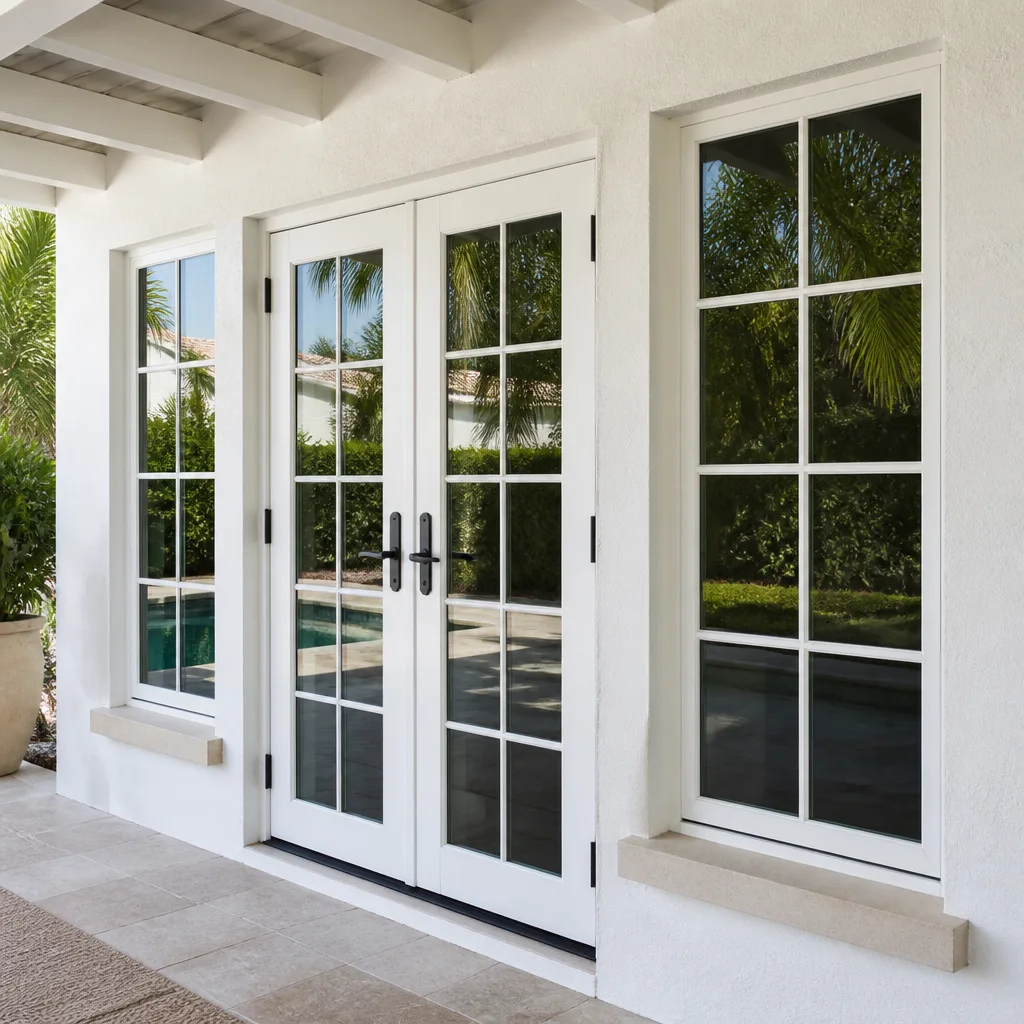 After
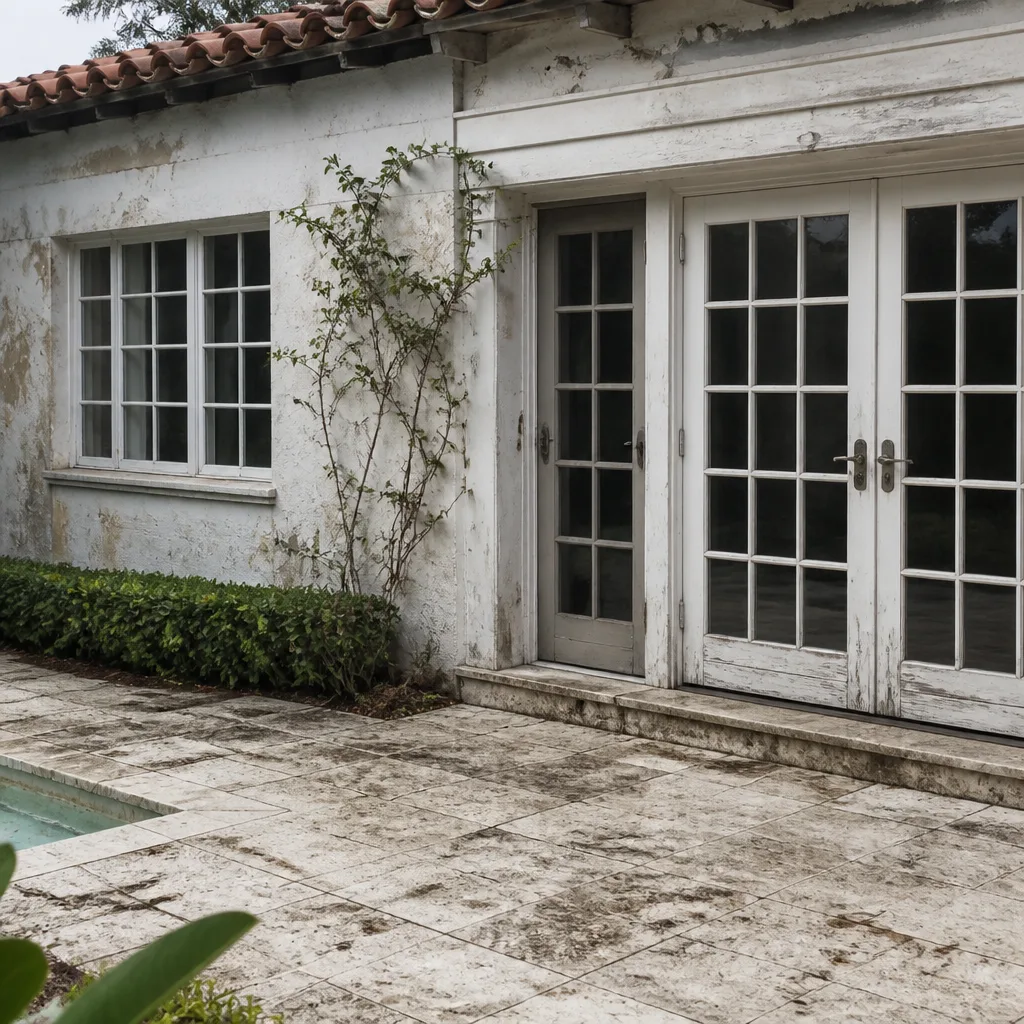 Before
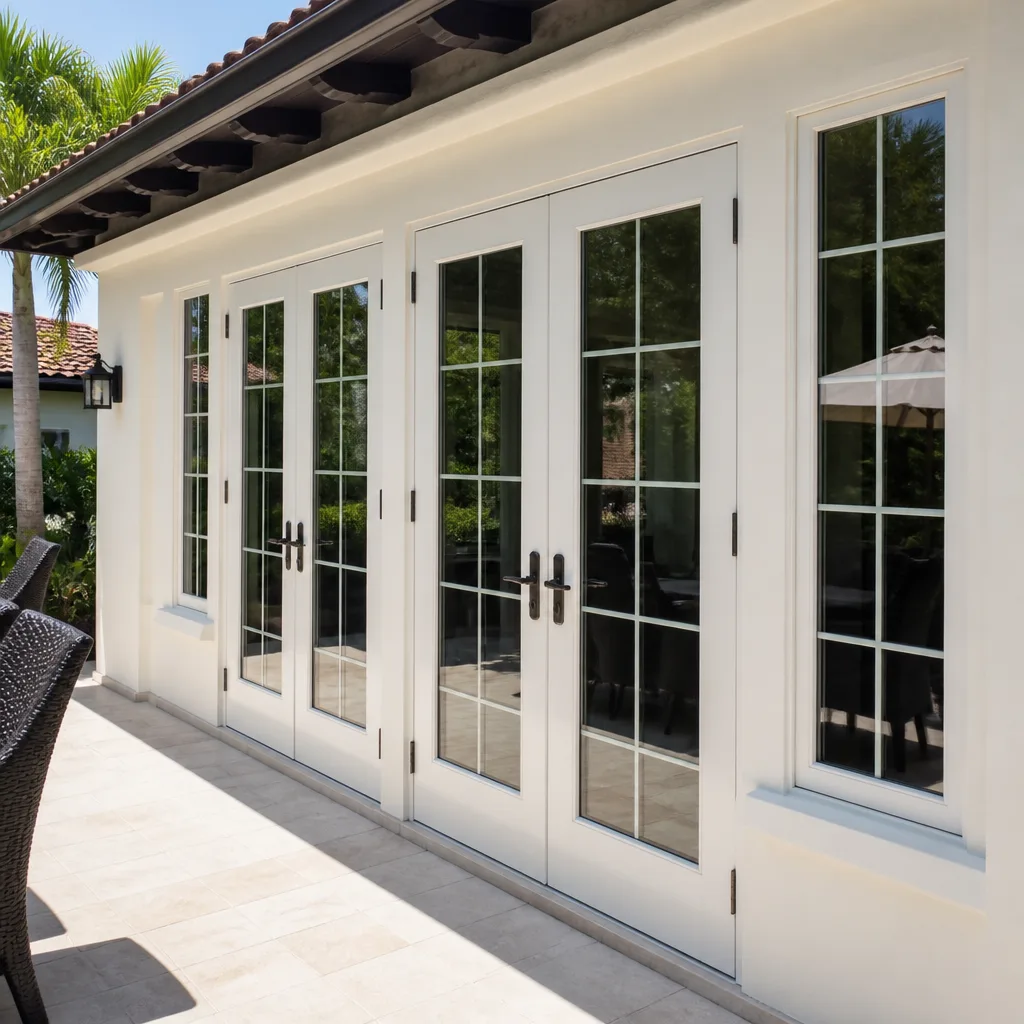 After
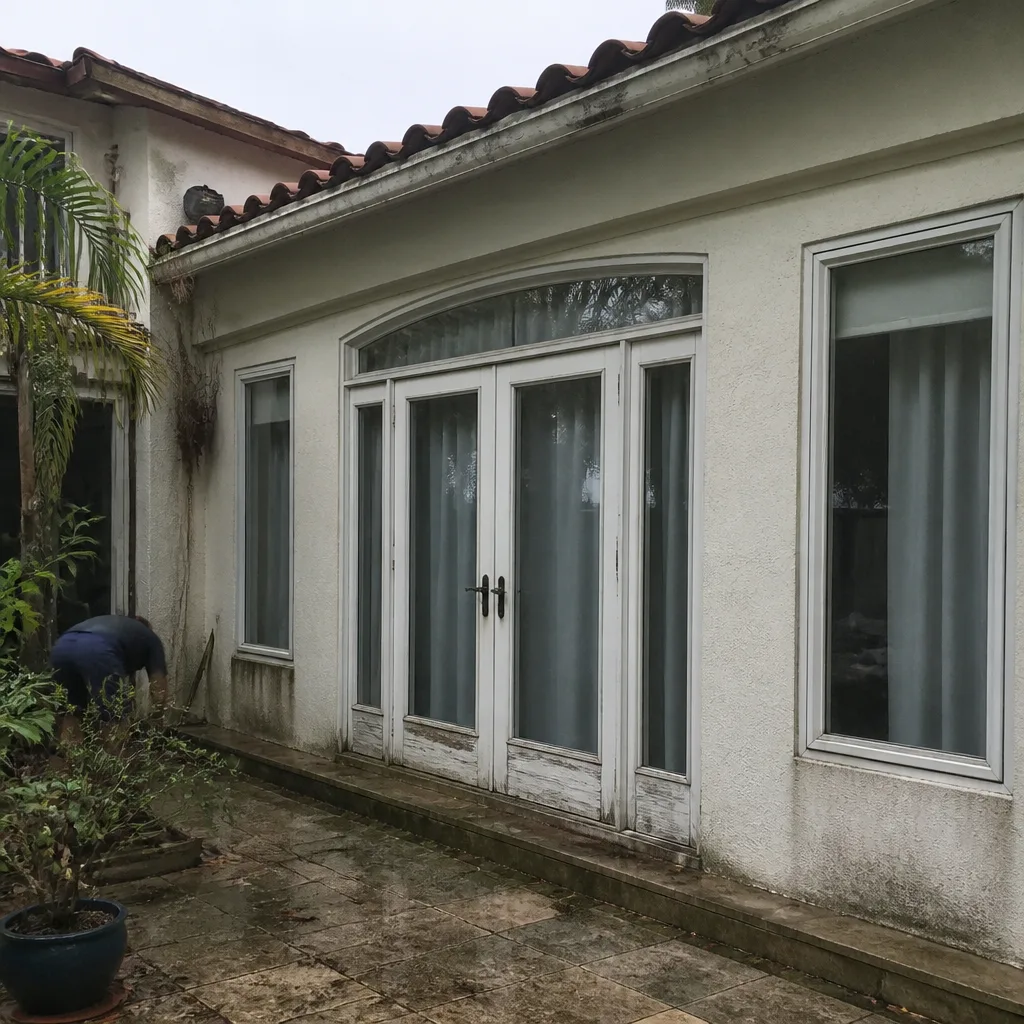 Before
 After
DIY vs Professional Windows & Doors: The Palm Beach Homeowner’s Decision Guide
Here is a number most Palm Beach homeowners never hear: a poorly set window can lose up to 30 percent of a home’s heating and cooling energy through the frame alone, and in South Florida, that number climbs because the sun and salt work on seals year-round. We have watched a homeowner spend a Saturday replacing one window, then call us Monday because the afternoon rain found the gap he could not see. This guide explains what a window or door replacement actually involves in Palm Beach, where the line between a weekend project and an expensive mistake sits, and how to decide which side of it you belong on.
Quick Answer
For most Palm Beach homeowners, professional installation is the right call: windows and doors in this climate must be square, sealed, and code-compliant to survive hurricanes and humidity, and a mistake typically costs more than the labor you saved. DIY can make sense for narrow, low-risk tasks like replacing hardware, weatherstripping, or a screen, but anything involving the frame, the flashing, the structural opening, or impact glass belongs with a licensed installer. The real decision is not whether to hire someone; it is which jobs you can safely do well and which ones will fail quietly until the next storm.
Table of Contents
- What DIY Actually Involves in Palm Beach
- The Palm Beach Climate Factor: Salt, Sun, and Storms
- Code, Permits, and Inspections: The Rules You Cannot Skip
- Cost Comparison: DIY vs Professional, Line by Line
- When DIY Makes Sense
- The Hidden Cost of a Bad Install
- How to Vet a Window or Door Installer in Palm Beach
- Common Mistakes to Avoid
- When to Call a Professional
- Frequently Asked Questions
- The Bottom Line
What DIY Actually Involves in Palm Beach
A window replacement is not a swap of glass. It is a structural change to the wall of your house. In Palm Beach, where the building code treats every exterior opening as a potential water and wind entry point, the job starts long before the first screw goes in. You are measuring the rough opening, checking the framing for rot or termite damage, evaluating the existing flashing, and deciding whether the old window comes out without tearing the stucco around it. South Florida homes built before the 2002 Florida Building Code often have openings that are not square, not standard, and not forgiving.
The removal itself is the part most people underestimate. A window in a concrete block wall is set differently than one in a wood frame. Some are anchored with straps. Some have hurricane clips. Some have been caulked so many times that the frame will not move without cutting. Once the old unit is out, the opening must be cleaned, the sill checked for level, the rough opening flashed, and the new window shimmed so it sits true in every direction. Then comes the sealing: backer rod, sealant, exterior flashing tape, and interior insulation. Miss one step and the window will leak, bind, or fail inspection.
Doors are worse. An exterior door in Palm Beach carries weight, wind load, and daily use. It also has to meet egress requirements, lock standards, and, if it is an impact door, a specific product approval. A door that is out of plumb by a quarter inch will drag on the threshold in July when the humidity swells the frame. We have replaced doors in Palm Beach that were installed by well-meaning homeowners who used interior shims and no sill pan, and the result was a rotted subfloor within two years.
The Palm Beach Climate Factor: Salt, Sun, and Storms
Palm Beach is one of the most demanding climates in the country for windows and doors. The ocean is not a backdrop here; it is a working environment. Salt spray travels inland on the prevailing wind and settles on frames, hardware, and glass. Aluminum without the right coating will pit. Rollers on sliding doors will grind. Seals that would last twenty years in a dry climate can fail in eight along the Intracoastal.
Then there is the sun. Ultraviolet exposure in South Florida is relentless. A north-facing window in Ohio sees a fraction of the UV load that a west-facing window in Palm Beach gets every afternoon. UV breaks down sealants, fades interior finishes, and stresses the bond between glass panes. When a window fails here, it fails fast. The difference between a window rated for the Florida market and one bought off a national shelf is often the difference between a ten-year seal and a four-year fog.
Storms are the third factor. Palm Beach sits in a high-velocity hurricane zone. The windows and doors on a home are not just openings; they are the first line of defense against wind-driven rain and debris. Impact-rated glass and frames must be installed to the manufacturer’s exact specifications or the rating means nothing. A do-it-yourself install of an impact window is a gamble with the one thing you are buying the window for: protection when the storm comes.
Code, Permits, and Inspections: The Rules You Cannot Skip
Palm Beach County enforces the Florida Building Code, and the code treats window and door replacement as a regulated activity. If you are replacing a window or door in an existing opening, you generally need a permit. If you are changing the size of the opening, you definitely need one, and you may need engineering. If you are in a municipality like West Palm Beach, Lake Worth Beach, or Boca Raton, local amendments add another layer of rules. The code exists because wind and water do not negotiate.
Product approval is the piece most homeowners do not know about. In Florida, windows and doors installed in wind-borne debris regions must be on an approved product list. The manufacturer tests the entire assembly, frame and glass together, to a specific design pressure rating. That rating must match the wind zone for your specific Palm Beach address. You cannot buy a window at a big-box store, check the sticker, and assume it complies. The make, model, and size must all match the Florida approval.
Inspection is the final gate. A permit without a passed inspection is a liability. If you sell the house, the unpermitted window or door becomes a title problem. If you file an insurance claim after a storm, the unpermitted opening becomes a denial. We tell every Palm Beach homeowner the same thing: a legal install is not an upgrade to the job. It is the job. The permit, the approval, the inspection, they are part of what you are paying for.
Cost Comparison: DIY vs Professional, Line by Line
The sticker price on a window is the cheapest number in the project. The actual cost of a replacement is the window plus everything required to set it correctly and keep it legal. Here is a line-by-line look at what a single standard window replacement costs in the Palm Beach market, DIY versus professional, as of 2026.
| Line Item | DIY Cost | Professional Cost (Typical Palm Beach Range) |
|---|---|---|
| Window unit (standard, non-impact, mid-grade) | $250-$550 | $250-$550 (built into quote) |
| Impact-rated window unit | $450-$1,200 | $450-$1,200 (built into quote) |
| Permit fees | $80-$250 | $80-$250 (included in quote) |
| Flashing, sealant, shims, fasteners | $40-$90 | Included |
| Disposal of old window | $25-$60 (dump run) | Included |
| Labor | $0 (your time) | $150-$350 per opening |
| Total, per standard window | $395-$1,050 | $480-$900 |
Read the table carefully and you will see the truth of the Palm Beach market: on a standard window, the DIY savings is often under $200 before you account for your own time. On an impact window, the savings can look larger, but so is the risk. A mis-flashed impact window will leak, and the leak will be found by a storm, not by a garden hose.
We have seen the math play out in real time. A homeowner in the South End spends a full weekend replacing two windows. He saves maybe $400. One of the windows leaks at the head, and he has a drywall repair, a repaint, and an afternoon of troubleshooting. He is now behind. The professional quote he turned down included the permitting, the flashing, the disposal, and the warranty in writing. In our experience, the jobs that look like a bargain at the start are the ones that get expensive by the end.
When DIY Makes Sense
We are not against homeowners doing their own work. We are against homeowners doing the wrong work. There is a set of window and door tasks in Palm Beach that a careful person can handle well, and doing them yourself is a reasonable way to keep a house tight between professional replacements.
Here are the jobs we consider safe and sensible for a capable DIYer:
- Replacing weatherstripping. A worn strip on a door or window is a simple swap. The material costs a few dollars, and the only tool is a putty knife and scissors.
- Lubricating and adjusting hardware. Sliding door rollers, window locks, and hinges need yearly attention in the salt air. A silicone spray and a screwdriver handle most of it.
- Cleaning and inspecting tracks. Palm Beach sand and salt build up in tracks. A vacuum and a damp cloth prevent binding.
- Replacing a screen. A torn screen panel or screen frame is a straightforward job with a spline roller and replacement mesh.
- Touching up exterior caulk. Small gaps at trim can be cleaned and re-caulked. This is a maintenance task, not a seal job.
- Interior trim repair. If the window itself is sound, fixing a piece of interior casing or painting trim is fair game.
The line we draw is the frame. Once the job involves removing the window from the opening, disturbing the flashing, or exposing the rough opening to Florida weather, it is no longer a maintenance task. It is an installation. And in Palm Beach, an installation done wrong is a water leak, a failed inspection, or a hurricane opening that was supposed to be protected.
The Hidden Cost of a Bad Install
A window or door that is not set true does not usually fail on day one. It fails slowly, in ways that look like coincidence until you add them up. The corner of the drywall stains after a heavy rain. The sliding door needs a little more effort each month. The electric bill creeps up in August. The frame starts to feel soft under the paint. None of these whisper “bad install.” All of them are.
In Palm Beach, the most common hidden cost is water. A window that leaks at the sill or the head sends water into the wall cavity, where it sits against wood framing and insulation. Rot follows. Then mold. Then a remediation bill that makes the window quote look like a rounding error. We have opened walls in Palm Beach homes and found the evidence: a tidy caulk line on the outside, a wet cavity on the inside, and a homeowner who thought the job went fine because the window closed.
The second hidden cost is the voided warranty. Every reputable manufacturer writes an installation clause into their warranty. If the window or door is not installed according to the manufacturer’s published instructions and the Florida product approval, the warranty is void. Not reduced. Void. The homeowner who installs his own impact window to save labor has purchased a product with no manufacturer warranty behind it at all. He is his own warranty department. In a hurricane zone, that is a lonely place to be.
At TruePane, our warranty position is not a marketing line; it is the TruePane Windows & Doors home operating standard. The Keystone Standard means we register both manufacturer warranty layers in writing before the truck leaves the driveway. The durations are stated, not implied. The Done Right Promise means that if something is not right, we make it right, with no paperwork fight. A homeowner doing the work himself registers nothing and stands behind nothing. That is the real difference in cost, and it does not show up on a line-item table.
How to Vet a Window or Door Installer in Palm Beach
If you decide to hire, the next decision matters more: who. Palm Beach has no shortage of window and door contractors. It has a shortage of ones that will still be answering the phone in ten years. Here is how we tell homeowners to sort it out.
- Check the license and the insurance. Florida requires a contractor’s license for structural work on homes. Ask for the number. Then check it online at the Department of Business and Professional Regulation. Insurance matters too; workers on your property should be covered by the contractor’s policy, not your homeowners policy.
- Ask about product approvals. A legitimate Palm Beach installer can show you the Florida product approval for the exact window or door they are quoting. If they cannot, walk away.
- Ask how they handle warranty registration. Many manufacturers void warranties because the installer never registered the product. We register both warranty layers in writing, and we can tell you the duration of each before you sign.
- Get the quote on paper, side by side. We quote manufacturer lines side by side so you see what you are buying. ES Windows, ECO Window Systems, CWS are all options we discuss with Palm Beach homeowners, and the differences are visible when the numbers sit next to each other.
- Ask about the crew. Who is actually doing the work? At TruePane, our technicians are background-checked and uniformed. They work in your home the way they would work in their own mother’s house. If a company cannot tell you who will be in your home, keep looking.
- Check the follow-through. The test of an installer is what happens after the check clears. We tell homeowners to ask one question: if this door binds in August, who do I call? Our answer is a live person, 24 hours a day, 7 days a week. Not a voicemail tree. Not a callback form. A person.
We are an authorized installer for more than a dozen manufacturer lines, including, PGT, CGI, and ES Windows. That does not mean every line is right for every Palm Beach home. It means we can show you the options on paper and tell you honestly which one fits your opening, your budget, and your block’s wind zone. A square deal is an upfront price with no surprises on the bill.
Common Mistakes to Avoid
- Buying the window before checking the approval. A window that is cheap at the store and unapproved in Palm Beach is not a bargain; it is a liability. Check the Florida product approval for your exact address before you spend a dollar.
- Skipping the permit. Unpermitted window work surfaces at the worst possible time: during a sale, during a claim, or during an inspection after an accident. The permit is the cheapest insurance you will ever buy.
- Reusing old flashing. Flashing is a one-time part. When the old window comes out, the old flashing goes with it. Reusing it is the leading cause of the leaks we repair in Palm Beach.
- Ignoring the rough opening condition. The old window has been hiding rot, termite damage, or out-of-square framing. If you set a new window into a bad opening, the new window inherits the problem.
- Caulking over gaps instead of fixing the flashing. Caulk is a cosmetic seal in South Florida. The waterproofing is the flashing and the sill pan. Caulk alone will fail, and it will fail during a storm.
- Choosing the cheapest quote without reading what it excludes. A bid that excludes permits, disposal, flashing, or warranty registration is not cheaper. It is just incomplete. Compare line items, not totals.
- Treating impact windows as optional labor savings. An impact window that is installed wrong is worse than no impact window, because you believe you are protected. In Palm Beach, that belief has consequences.
When to Call a Professional
Call a professional when the job involves the frame, the flashing, the structural opening, the permit, or impact-rated glass. Call when the window or door is on a second story, in a hard-to-reach spot, or sized in a way that needs two people and a plan. Call when the existing opening shows signs of water damage, rot, or termite activity. Call when you want the manufacturer warranty to actually exist in writing. And call when you would rather have someone else answer for the work if it goes wrong. TruePane Windows & Doors offers free estimates in Palm Beach, call (850) 801-5596. A live person answers.
Frequently Asked Questions
A standard, non-impact window replacement in Palm Beach typically runs $480 to $900 per opening installed, including the window, labor, permit, flashing, and disposal. Impact-rated windows run higher, generally $800 to $1,800 per opening depending on the size, manufacturer, and wind zone. These are installed prices from a licensed contractor; DIY prices are lower on the surface but exclude the warranty, the inspection, and the accountability. Call (850) 801-5596 for an exact quote, the estimate is free.
Yes, in almost every case. Palm Beach County and its municipalities require a permit for window and door replacement when the opening is being altered or the product is being swapped for a different size or type. The permit ensures the product has a valid Florida approval and that the installation will be inspected. Skipping the permit saves a small fee and creates a much larger liability later.
A homeowner can legally act as their own contractor on their own residence in Florida, but the work still requires a permit and inspections, and the products must meet the same Florida product approval standards as a professional install. That means the homeowner assumes liability for code compliance, flashing, and any future failure. Most homeowners who complete a DIY window install in Palm Beach wish they had not learned on their own house.
In Palm Beach’s salt air, sun, and storm environment, a quality window installed correctly typically lasts 15 to 25 years before the seals fail or the frame fatigues. Cheaper windows in direct western exposure can fail in under 10. The installation quality matters as much as the window itself; a well-made window set badly will fail early, and the warranty will not help.
The most common sign is water staining at the corners of the window or door, especially after a wind-driven rain. Other signs include a window that binds or refuses to close in humid months, drafts you can feel around the frame, and condensation between the glass panes. Any of these should prompt a professional inspection before the damage spreads into the wall cavity.
Yes, we offer free estimates throughout Palm Beach and the surrounding communities. We will measure the openings, quote manufacturer lines side by side on paper, and give you a written price before any work is scheduled. Call (850) 801-5596 and a live person will answer, 24 hours a day, 7 days a week.
The Bottom Line
The DIY versus professional decision in Palm Beach comes down to this: the climate, the code, and the consequences of failure are all stacked against the amateur. The jobs worth doing yourself are small and reversible: weatherstripping, hardware, screens, caulk touch-ups. The jobs worth hiring for are everything else: the frame, the flashing, the permit, the impact glass, the warranty in writing. A professional window or door install in Palm Beach is not an expense; it is the price of a job that stays done. We stand behind it.
Written by Dale Kessler, Owner at TruePane Windows & Doors, serving Palm Beach since 2008.
Six Reasons Homeowners Choose TruePane Windows & Doors
Impact systems engineered to design pressures up to +/-100, matched to your wind zone - your openings hold when the storm arrives.
Low-E insulated impact glass from our manufacturer lines commonly cuts monthly cooling bills 20-30%.
Laminated impact glass shuts out up to 40% of outside noise - traffic, neighbors, weather.
Monitoring services run $30-90 a month. Laminated impact glass resists forced entry around the clock, with no subscription.
Florida homeowners average around 25% savings on the windstorm portion of their policy after protecting every opening - some homes qualify for more.
A full impact package upgrades curb appeal, buyer confidence and appraised value in one project.