
Last updated August 25, 2026
Free in-home measure and quote - PGT, CGI and CWS impact lines compared on your actual openings, style by style
Sliding glass doors
Impact garage doorsPGTCGI
 Before
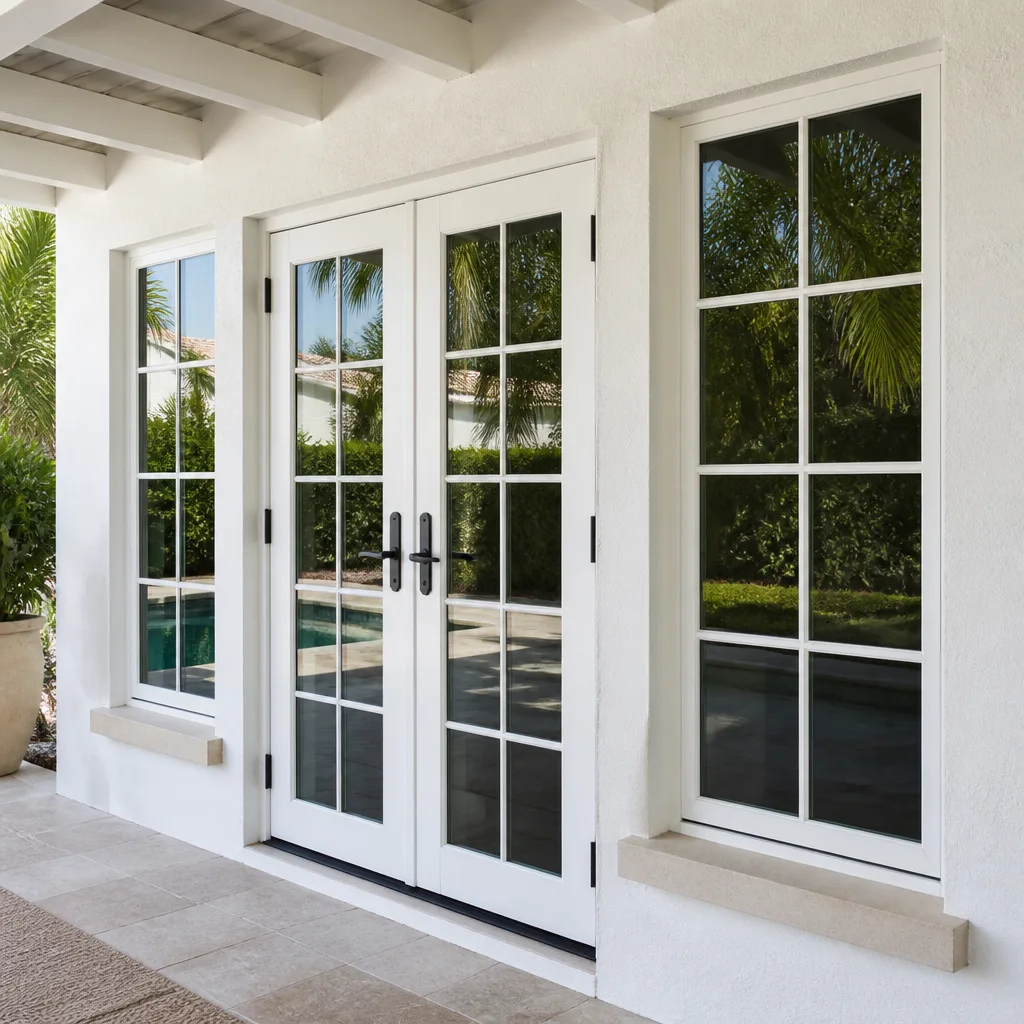 After
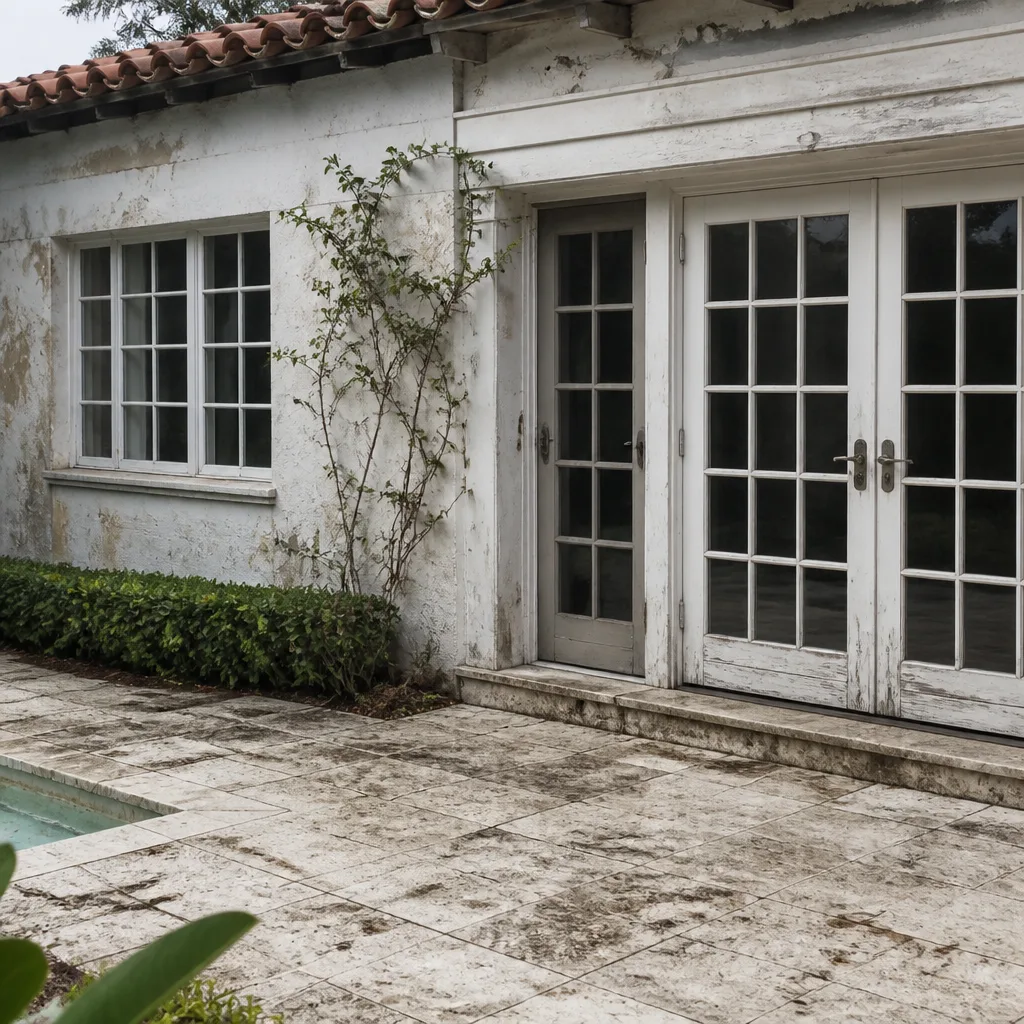 Before
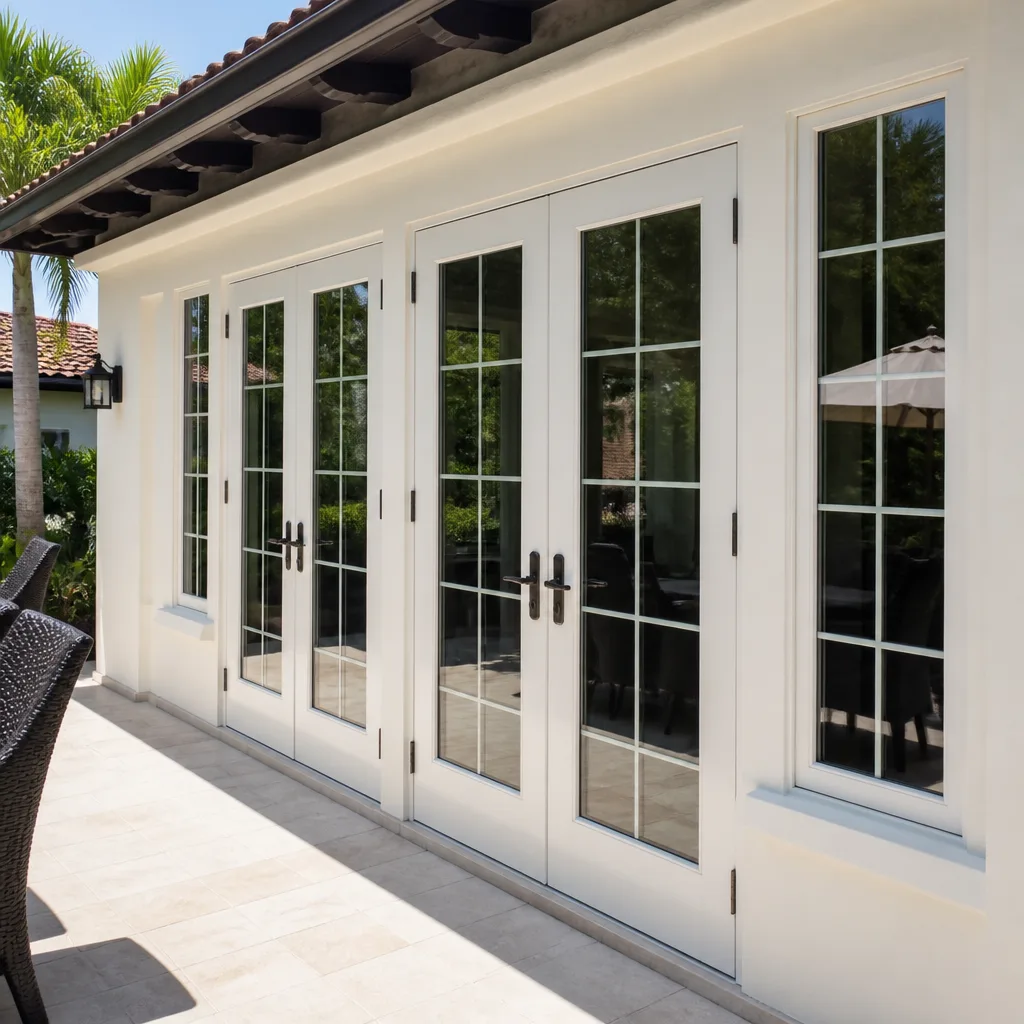 After
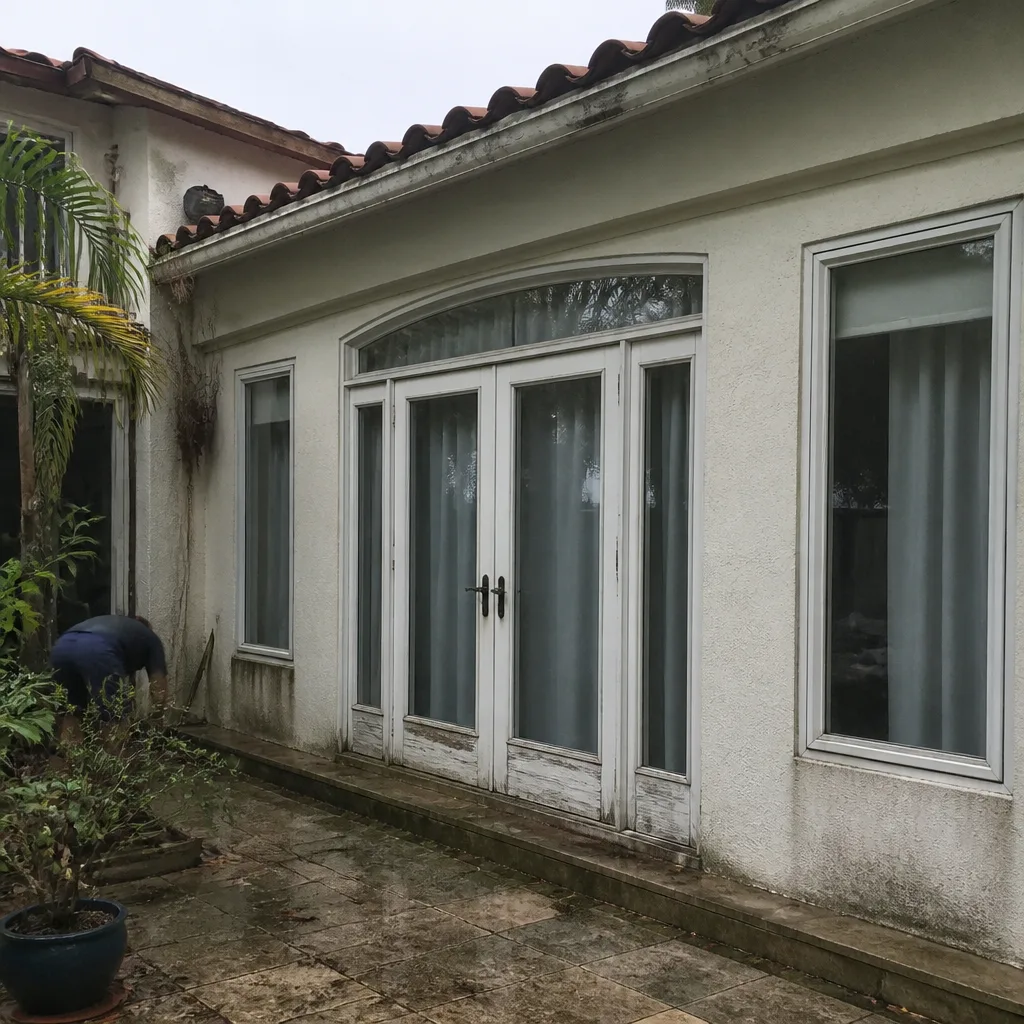 Before
 After
Windows & Doors Warning Signs: A Palm Beach Homeowner’s Reference Guide
Most homeowners in Palm Beach replace windows and doors about a decade after they should have. We know this because roughly one in four service calls we run starts with a job that could have been a repair five years ago and has instead become a full replacement, often after water worked its way into a wall cavity or a failed seal sat ignored through two full South Florida summers. This guide exists to give you the reference points for catching problems early, understanding what they cost to fix, and knowing which warning signs genuinely matter in Palm Beach’s salt air, humidity, and hurricane code environment. You’ll learn what normal aging looks like versus what needs attention now, what repairs typically run in this market, and when you’re better off calling someone instead of watching a problem get expensive.
Quick Answer
A window or door needs professional attention in Palm Beach when you find condensation between glass panes, visible daylight around a closed door or sash, wood rot or swelling at the bottom corners, cracked or spalled glass, hardware that no longer latches, or a utility bill that climbs without explanation. Fogged glass means the insulating seal has failed and the window’s energy performance is gone; a door that binds or swings open on its own means the frame or foundation has shifted. Most early-stage problems cost between $150 and $500 to repair in Palm Beach; full replacements run anywhere from $700 to $4,200 per opening depending on material and whether impact-rated glass is required.
Table of Contents
- Fogged or Cloudy Glass: The Seal Failure You Can See
- Drafts and Daylight Around the Frame
- Doors That Bind, Stick, or Swing on Their Own
- Wood Rot, Swelling, and Moisture Damage
- Impact Window Warning Signs Specific to Palm Beach
- Cracked, Spalled, or Non-Impact Glass: Safety and Code Risks
- What These Warning Signs Cost to Fix in Palm Beach
- Seasonal Maintenance: What to Check Every Spring and Fall
Fogged or Cloudy Glass: The Seal Failure You Can See
Fogged glass is the single most common call we take from Palm Beach homeowners, and the diagnosis is almost always the same: the insulating glass unit, or IGU, has lost its seal. Double-pane and triple-pane windows are built as a sealed assembly with either air or an inert gas like argon between the panes. That assembly keeps the inside pane near room temperature and the outside pane near outdoor temperature. When the perimeter seal fails, humidity gets pulled into the space between panes. The result is that milky haze or internal condensation you cannot wipe away from either side.
In Palm Beach, this failure happens faster than it does in drier climates. The humidity differential across the glass is brutal: 90 percent RH outside and an air-conditioned interior at 50 percent RH means the seal does constant work. Once it fails, the window has lost its insulation value and is functionally single-glazed with a cosmetic flaw. The glass will not fall out and there is no immediate structural danger, but the energy penalty is measurable and permanent.
Here’s what we’ve seen hold up and what fails. Glass seal life in a coastal environment runs 10 to 18 years depending on brand, installation, and sun exposure. West-facing windows in unshaded walls fail fastest. The repair is glass replacement, not window replacement: the sash stays, the interior and exterior stops come off, and a new IGU goes in. Expect to pay between $180 and $450 per pane in Palm Beach for a standard double-glazed IGU, depending on size, coating, and whether the glass needs to be impact-rated.
One distinction worth knowing: condensation on the inside surface of the glass is not a seal failure. It’s a humidity issue inside the house, and it shows up on bathroom glass and bedroom windows during cool winter mornings. Condensation between the panes is the seal failure. If you can run a finger through it, it’s on the surface. If you can’t, the seal is gone.
Drafts and Daylight Around the Frame
If you can see daylight around a closed window or door, the weatherstripping is dead or the frame has moved. In Palm Beach homes built before the 2001 Florida Building Code, this is distressingly common. Older wood frames shrink and swell with our wet summers and dry winters, and aluminum frames installed in the 1970s and 1980s lose their corner gaskets and sweeps. The result is not just a draft; it’s air leakage that carries humidity, insect intrusion, and noise into the house.
Air leakage is measured in cubic feet per minute, and a gap you can see around a door slab can move 30 to 50 CFM when the AC system cycles. That’s enough to defeat the weather seal on your air handler and drive cooling costs up 10 to 15 percent in a single season. The fix depends on what changed. Worn weatherstripping is a $35 to $85 replacement per door or window and takes less than an hour. A frame that has gone out of square means the root problem is moisture or foundation settling, and that requires shimming, re-flashing, or replacement, not a better gasket.
The daylight test is simple, and it’s the same one every field tech uses before recommending glazing replacement. Close the door or window and run a bright flashlight around the perimeter from the inside on a sunny day. If light shows through the gap, water can find the same path. In a hurricane event, wind-driven rain can push water through an eight-inch gap in seconds. The gap you can see in July is a leak during a storm in September.
Doors That Bind, Stick, or Swing on Their Own
When a door that opened cleanly for fifteen years starts binding at the top, scraping at the latch side, or swinging open on its own, the house is telling you something about its bones. Here’s the short version: doors move because the floor they sit on has moved. In Palm Beach, where most houses sit on concrete slabs over sandy soil, seasonal moisture swings can cause small, consistent shifts. But the patterns that matter are:
- Bind at the top hinge side: the floor has settled under that side, or the slab heaved under the strike side. This is gradual movement and usually means the frame needs re-shimming.
- Scrape at the threshold: the door slab has swollen or the threshold has lifted. This can be humidity swelling in a wood door or a deteriorated threshold on an older home.
- Swing open on its own: the hinge side is now lower than the latch side. The slab has settled, and the door swings downhill. This one is most common in lakefront and canal-front homes built on fill.
- Latch no longer lines up: this is the one homeowners see most after a summer storm. The strike plate moved a quarter inch and the deadbolt no longer seats.
None of these are a reason to replace the door on the first call. A binding door is usually a hinge adjustment, a plane-and-seal job, or a threshold replacement, and those repairs run $120 to $300 in Palm Beach. What you do not want to do is ignore a door that swings open on its own. That door will slam when the afternoon wind comes off the water, and a broken glass insert becomes a real hazard. It also will not lock correctly, which becomes a hurricane preparation problem the first time a storm approaches.
Wood Rot, Swelling, and Moisture Damage
Wood rot is the warning sign most people find by accident. They are painting a jamb or wiping down a sill and the putty knife sinks in. In Palm Beach’s humidity, wood rot does not come from one dramatic flood. It comes from years of small, persistent moisture: failing caulk beads around the exterior perimeter, sprinkler heads aimed at the wall, clogged weep holes underneath sliding glass doors. By the time the wood is soft to the touch, the structural integrity is gone to a depth of at least a quarter inch, usually more.
The rot hierarchy matters because it determines both repair cost and safety. Superficial surface rot, caught early, can be scraped and epoxy-filled for $150 to $250 and will last another decade if you fix the moisture source. Rot that extends into the jamb or sill supports means that wood is no longer carrying the load of the window or door. In impact-rated openings, this is a code issue: compromised framing means the opening cannot transfer wind load the way the product approval intended. Expect to replace the rough opening element, not just patch it, and pricing starts around $800 to $1,500 for a standard door or window in Palm Beach once you are into the frame.
Swelling is the earlier, less destructive cousin of rot. A wood door that is hard to close in August and easy in February has absorbed moisture. This is normal for real wood slabs, and the maintenance answer is regular sealing of the top and bottom edges, the two surfaces most homeowners never paint. A swollen door is salvageable; a rotted one may not be. The test is the screwdriver test: press the tip of a screwdriver into the suspect area with light pressure. It should feel hard, not sponge-like. If it sinks, you are past swelling into rot.
Impact Window Warning Signs Specific to Palm Beach
Palm Beach sits in the High Velocity Hurricane Zone, and its building code requirements for windows and doors are the strictest in the state. That means impact-rated windows and doors are not a luxury upgrade; they are the code-compliant baseline for any new installation or significant replacement. They are also the single largest window investment a Palm Beach homeowner ever makes, which is why we tell people to learn the warning signs before the next storm season rather than during it.
The first warning sign is a missing or illegible product approval label. Every code-compliant impact window and door carries an etched identification mark in the corner of the glass and a label on the frame that identifies the manufacturer, the approval number, and the pressure rating. If the prior owner painted over it or the label has peeled away and you cannot produce the original documentation, you may have a problem with your insurance carrier long before a storm arrives. We’ve had homeowners in Flamingo Park and El Cid learn this the hard way when their wind mitigation inspection flagged unlabeled glass and the insurance discount disappeared.
The second sign is visible separation at the glazing bead. Impact glass is laminated: two layers of glass bonded to a polyvinyl butyral interlayer. That glass is set into the frame with a structural glazing bead that holds it under wind pressure. If you see the bead pulling away, the adhesive failing, or the glass moving in the frame when you press on it, do not wait. An impact window that is no longer bonded is just a heavy piece of glass waiting for a storm. Repairs on impact units are possible but not DIY work: glass packages need to match the approved configuration, and installation must restore the original pressure rating.
The third sign is rust at the corners on older steel-framed impact windows. Fort Lauderdale and Boca Raton have some homes with 1990s-era steel casement impact windows, and the salt air in Palm Beach County does them no favors. Rust at the welded corners or around the operator hardware means the frame is losing its structural capacity. A proper inspection will determine whether the rust is cosmetic or structural, but if it has progressed to the point where the frame is flaking, replacement is the only way to restore the opening to code compliance.
Cracked, Spalled, or Non-Impact Glass: Safety and Code Risks
Cracks in glass do not heal. They also do not stay the same size. In a climate where the daily temperature swing runs 18 degrees and afternoon thunderstorms can drop the temperature 10 degrees in twenty minutes, a small crack in a window will grow. The only question is how fast. Edge cracks, which start at the frame line, are the most likely to propagate. Impact cracks from a lawn mower thrown rock or a golf ball will stop spreading once the stress is relieved, until the next temperature cycle. Either way, cracked glass in a window or door is a safety issue long before it’s an energy issue.
Spalled glass is a different animal, and it shows up in older single-pane lites after years of sun and salt exposure. Spalling looks like flakes or small shells popping off the glass surface. It is a glass failure mode, not a cosmetic condition, and it typically happens when the glass was over-tempered or has a contamination flaw. Once spalling starts, the panel will continue to shed flakes, and it can shatter spontaneously under normal thermal stress. If you see it on a patio door or a shower enclosure, schedule replacement on your own timeline, not after someone has to vacuum up glass shards.
Any window or door that is not impact-rated in Palm Beach is a code-compliance issue when you go to replace it, not when you continue to live with it. The Florida Building Code allows existing non-impact windows to remain in place until the opening is replaced or altered beyond a threshold, at which point the replacement must be impact-rated or protected by a code-approved shutter system. If you have a non-impact cracked window and call someone out, expect to be told that replacing it means bringing that opening up to impact standards. That is not an upsell; it is the law.
What These Warning Signs Cost to Fix in Palm Beach
Here is the honest pricing conversation, because Palm Beach is a specific market and the numbers from a national website will not match what a local contractor charges. Labor rates here run 15 to 25 percent higher than the Florida average, and material costs reflect the fact that code-compliant impact-rated products are more expensive than what a handyman can buy at a big-box store off the shelf. We keep written line-item quotes for every repair, and this is what typical ranges look like as of early 2026:
- Weatherstripping replacement per door or window: $35-$85
- Threshold replacement on a single door: $120-$220
- Glass seal repair (single IGU replacement): $180-$450
- Impact-rated IGU replacement: $350-$850
- Hardware replacement (lock, hinge, latch, handset): $90-$280 per assembly
- Surface rot repair and caulking: $150-$350
- Structural frame repair where rot has compromised the opening: $800-$1,500
- Full window replacement, standard single opening: $700-$1,900
- Full impact window replacement, standard single opening: $1,400-$4,200
- Sliding glass door replacement, impact-rated: $3,000-$7,500 installed
The spread exists for legitimate reasons: opening size, first-floor versus second-floor access, frame material, the chosen line, and whether the job runs into permit requirements. What should not vary is the line-item structure. If a bid does not separate materials, labor, permitting, and haul-away, ask for it in writing. In Palm Beach, permit fees apply to most replacement work that changes the size or structural attachment of an opening, and any contractor who skips that step is handing you a liability.
The cost of delay is the real number to consider. A $200 seal repair ignored for three seasons becomes a $900 full-glass replacement when the moisture trapped between panes triggers mold staining inside the casing and the frame swells out of true. A $150 threshold replacement postponed through one wet season turns into a $1,200 structural rot repair. This is not scarcity marketing; it is what waiting costs in this specific climate.
Seasonal Maintenance: What to Check Every Spring and Fall
In Palm Beach, window and door maintenance follows a simple rhythm: inspect everything in March, before the wet season, and check everything again in October, after the threat of major storms and before the winter dry season. This is not busywork. Two fifteen-minute walks around the house each year is the difference between a $200 repair and a $2,000 replacement for a lot of homeowners.
Here’s the spring checklist, in order, the way we walk a house with a new customer:
- Inspect every exterior caulk bead. Look for cracks, peeling, or gaps at the point where frame meets stucco or wood siding. Failed caulk is the number one cause of moisture getting into jambs in Palm Beach.
- Test every lock and latch. Open and close each window and door fully. Check that deadbolts seat without forcing, that sliding doors roll smoothly, and that casement cranks close tight.
- Look for glass condensation or haze between panes. Do this in the morning after a warm night, when internal condensation is most visible.
- Check weep holes along the bottom track of sliding doors. These small openings let water drain out of the track. Clogged weep holes trap water, which leads to track corrosion and eventually frame rot.
- Press a screwdriver into door bottoms and window sills at the exterior corners. Soft wood means rot has already started.
- Run the flashlight daylight test on every exterior door. A gap you can see is a leak you will eventually feel.
The fall checklist is shorter but no less important. After storm season, check all impact-rated glass and screening for damage that was not there in March. Confirm that every product approval label is still legible and attached. Run every lock again; wind-driven rain forces water into hardware that then corrodes. And if you live in one of the older neighborhoods like El Cid, Flamingo Park, or Northwood, pay extra attention to the original wood frames: those homes were built beautifully, but the wood has been breathing salt air for decades, and exposed fasteners near the coast rust faster than anywhere else in the county.
Common Mistakes to Avoid
- Ignoring fogged glass because it still opens and closes. The window works mechanically, but the insulation value is gone. You are paying to cool air that leaks through dead glazing, and the trapped moisture will eventually stain the casing. A fogged pane in a Palm Beach west wall is a measurable monthly energy bill increase.
- Replacing the sash when the frame was the problem. If the new glass shatters or the new sash binds within a year, the original failure was likely frame movement or rot, and no amount of new glass fixes a bad rough opening.
- Painting over warning signs. Caulk and paint hide rot for a season and then fail dramatically. Painting wood before removing rot just gives the fungus a better environment to keep eating.
- Assuming all replacement glass meets code. In Palm Beach, the glass package in any new installation must meet impact standards unless a shutter system covers the opening. Cheap non-impact glass installed as a “temporary fix” becomes a code violation at the next inspection.
- Waiting until after a storm to get an estimate for a binding door or cracked window. The storm does not create the problem. It reveals it, usually at the worst possible time, when every contractor in the county is booked for eight weeks.
- Paying the lowest bid without checking what warranty actually accompanies the work. In this market, the difference between a $3,000 and a $4,500 sliding door replacement is often which manufacturer lines are being quoted, whether the warranty paperwork is registered, and whether the installer is authorized for that line. None of those differences show up in the bid number, and all of them matter when something fails in year three.
When to Call a Professional
Call a professional when the warning sign involves the structural envelope around the glass, not the glass itself. That list includes any rot that reaches framing, any door that has shifted out of square to the point that it will not latch, any impact window that shows glass movement in the frame, and any crack that is actively growing across the face of the pane. Also call when you find fogged glass in multiple windows on the same wall; that usually means the original installation had a systemic seal or flashing problem, and one replacement will not fix the pattern. TruePane Windows & Doors offers free estimates in Palm Beach; call (850) 801-5596 and a live person answers, day or night.
Frequently Asked Questions
Most window repairs in Palm Beach run between $150 and $500 when the problem is caught early: weatherstripping, seal replacement, hardware, and caulking all fall in this range. Once the frame is compromised or impact-rated glass must be replaced, costs start at $800 and rise with the scope. Call (850) 801-5596 for an exact quote; estimates are free and line-itemed in writing.
Yes, fogged double-pane windows can be repaired by replacing the failed insulating glass unit, or IGU. The sash and frame stay in place; only the failed glass assembly comes out. This repair costs $180 to $450 per pane in Palm Beach for standard glass and more for impact-rated glass. The window’s mechanical function remains, but the energy loss is permanent until the seal is restored.
Check for a product approval label on the frame and an etched mark in the corner of the glass. Both should show the manufacturer and an approval number. If the labels are missing or illegible, a wind mitigation inspector can often determine compliance from documentation, but be prepared for the insurance carrier to reduce or remove the impact rating discount. Any new window in Palm Beach must meet HVHZ impact standards unless an approved shutter system covers the opening.
Humidity causes wood doors and frames to swell, and Palm Beach’s summer humidity runs 85 to 90 percent, which adds up to visible expansion. The door returns to its normal size in winter when the air dries out. The fix may be as simple as sealing the top and bottom door edges, which are the surfaces where moisture enters, or planing a small amount of material from the binding edge. Call (850) 801-5596 for an assessment.
Standard aluminum or vinyl windows in South Florida typically last 15 to 25 years before seal failures, frame corrosion, or mechanical wear make replacement more sensible than repair. Impact-rated units from quality manufacturers often last 25 to 35 years with good maintenance. Coastal salt air shortens this span by several years compared to inland locations; homes within a mile of the ocean should expect the shorter end of every range.
Replace before if you can manage it. The months from March through May are the traditional window replacement window in Palm Beach because the weather is dry enough for clean installation work, and contractors are less overwhelmed than they will be in August. If an opening is already compromised, do not wait: a cracked non-impact window is a breach point in the next storm. Call (850) 801-5596 to schedule a free estimate and get on the calendar before the rush.
The Bottom Line
Palm Beach’s climate does not let homeowners coast on deferred maintenance. Salt air, 90 percent humidity, and the highest wind-code requirements in Florida mean that windows and doors need attention earlier here than anywhere else in the state. The warning signs are visible if you look: fogging between panes, daylight through frames, doors that move on their own, wood that gives under a screwdriver. Catch them early and most repairs cost hundreds, not thousands. Miss them and the house will eventually hand you the bill whether you are ready or not. When you do not know what you are looking at, the free estimate is the smartest tool in the box. TruePane Windows & Doors home.
Written by Dale Kessler, Owner at TruePane Windows & Doors, serving Palm Beach since 2008.
Six Reasons Homeowners Choose TruePane Windows & Doors
Impact systems engineered to design pressures up to +/-100, matched to your wind zone - your openings hold when the storm arrives.
Low-E insulated impact glass from our manufacturer lines commonly cuts monthly cooling bills 20-30%.
Laminated impact glass shuts out up to 40% of outside noise - traffic, neighbors, weather.
Monitoring services run $30-90 a month. Laminated impact glass resists forced entry around the clock, with no subscription.
Florida homeowners average around 25% savings on the windstorm portion of their policy after protecting every opening - some homes qualify for more.
A full impact package upgrades curb appeal, buyer confidence and appraised value in one project.